 CN
CN
CN
CN
CN
CN
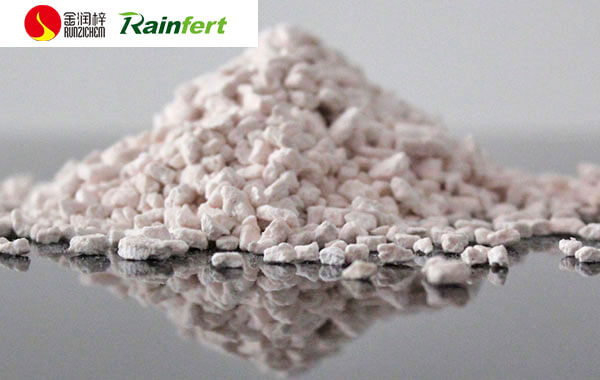
Feed Grade Manganese Sulfate
Synonym: Manganese(II) Sulfate
CAS No.: 10034-96-5
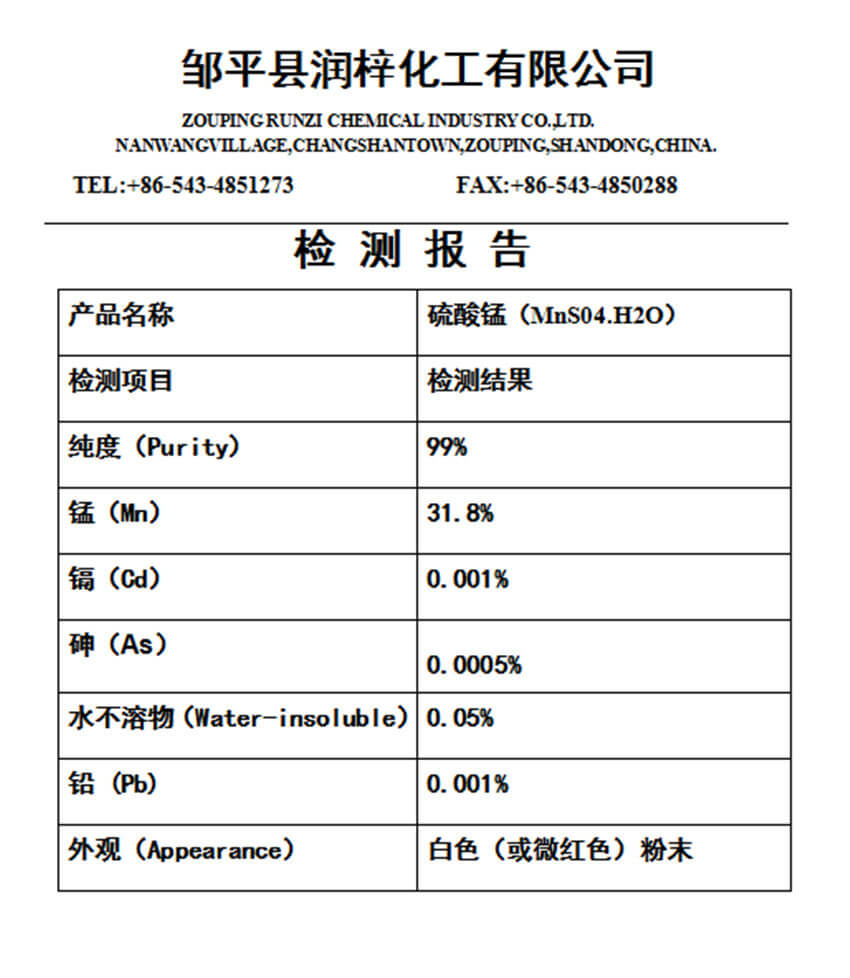
Chemical Formula: MnSO4
Molecular Formula: H2MnO5S
English Name: Manganese Sulfate
Density (g/mL, 25℃): 2.95
Melting Point (℃): 700
Boiling Point (℃, atmospheric pressure): 850
Physical and Chemical Properties: Manganese sulfate monohydrate appears as pale pink fine monoclinic crystals, with a density of 2.95 g/mL (25℃), melting point 700℃, boiling point 850℃. It is unstable under normal temperature and pressure. It is freely soluble in water with solubility of 5–10 g/100 mL at 21℃, and insoluble in ethanol. It begins to lose crystal water above 200℃, loses most crystal water at about 280℃, and forms anhydrous molten salt at 700℃. It starts to decompose at 850℃, releasing sulfur trioxide, sulfur dioxide or oxygen depending on conditions, leaving black insoluble manganese tetroxide, which decomposes completely at about 1150℃.
Dosage (Feed Grade):
Cattle: 20–40 mg of manganese sulfate powder per kg of diet; dairy cows generally require more than beef cattle.
Sheep: 20–50 mg of manganese sulfate powder per kg of diet.
Chickens: Requirements vary by breed. 50 mg per kg for chickens 0–20 weeks old; 33 mg per kg for chickens over 20 weeks old; 8 mg per kg for hens and laying hens.
Ducks: Require relatively high manganese; 100–200 mg per kg of diet.
Dogs: 35 mg per kg of diet.
Cats: 20–40 mg per kg of diet.
Pigs: 20–30 mg per kg of diet.
Usage: Feed Grade
1. Used as feed additive in animal husbandry and feed industry to promote sound growth and fattening of livestock and poultry.
2. Adding manganese sulfate monohydrate powder to poultry feed can effectively prevent a series of diseases caused by manganese deficiency.
Packaging, Storage and Transportation: Woven bag outer packaging with plastic bag inner lining. Net weight per bag: 25kg, 50kg, 1000kg, 1250kg or as per customer requirements. Store in dry warehouses, away from fire and heat sources. Cover during transportation to avoid sun exposure, rain and moisture.