 CN
CN
CN
CN
CN
CN
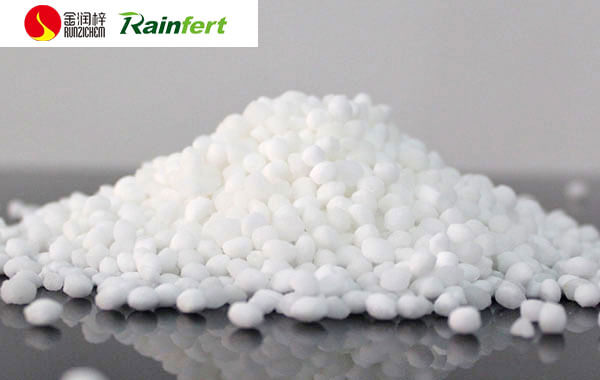
Granular Trace Elements Fertilizer
Chinese Name:Zinc Sulfate HeptahydrateChinese Synonyms:Goslarite, Zinc Vitriol, Zinc Sulfate, Zinc Sulfate HeptahydrateEnglish Name:zinc sulfate heptahydrate; zinc vitriol; white vitriolMolecular Formula:ZnSO₄·7H₂OMolecular Weight:287.54Specific Gravity:1.957CAS No.: 7446-20-0National Standard: HG/T 2326-2005Physical Properties:Relative density: 1.957, melting point: 1000℃. Freely soluble in water (96.5g/100ml at 20℃; 663.6g/100ml at 100℃), slightly soluble in ethanol and glycerol.
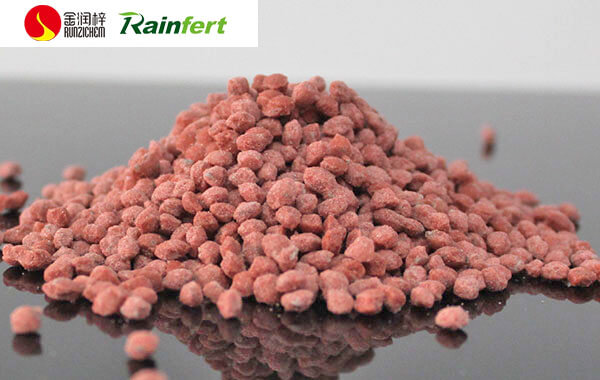
Granular Trace Elements Fertilizer
Chinese Name:Zinc Sulfate HeptahydrateChinese Synonyms:Goslarite, Zinc Vitriol, Zinc Sulfate, Zinc Sulfate HeptahydrateEnglish Name:zinc sulfate heptahydrate; zinc vitriol; white vitriolMolecular Formula:ZnSO₄·7H₂OMolecular Weight:287.54Specific Gravity:1.957CAS No.: 7446-20-0National Standard: HG/T 2326-2005Physical Properties:Relative density: 1.957, melting point: 1000℃. Freely soluble in water (96.5g/100ml at 20℃; 663.6g/100ml at 100℃), slightly soluble in ethanol and glycerol.
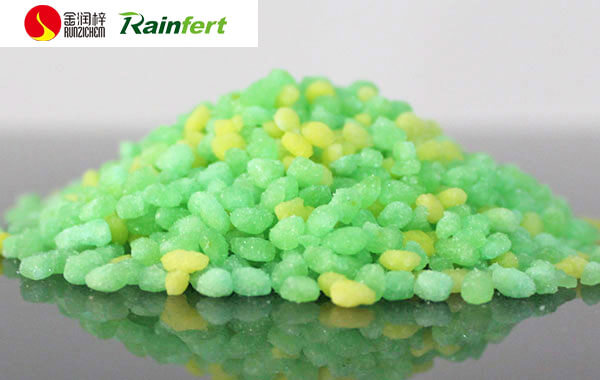
Granular Trace Elements Fertilizer
Chinese Name:Zinc Sulfate HeptahydrateChinese Synonyms:Goslarite, Zinc Vitriol, Zinc Sulfate, Zinc Sulfate HeptahydrateEnglish Name:zinc sulfate heptahydrate; zinc vitriol; white vitriolMolecular Formula:ZnSO₄·7H₂OMolecular Weight:287.54Specific Gravity:1.957CAS No.: 7446-20-0National Standard: HG/T 2326-2005Physical Properties:Relative density: 1.957, melting point: 1000℃. Freely soluble in water (96.5g/100ml at 20℃; 663.6g/100ml at 100℃), slightly soluble in ethanol and glycerin.
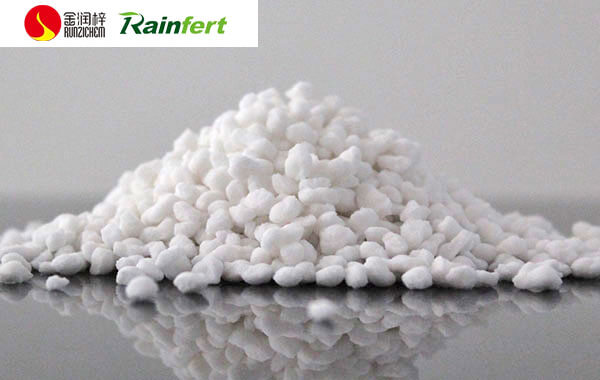
Granular Trace Elements Fertilizer
Chinese Name of Chemical: Ammonium SulfateEnglish Name of Chemical: ammonium sulfate Synonyms: Ammonium Sulphate Chemical Formula: (NH₄)₂SO₄ Molecular Weight: 132.16 Hazardous Ingredient CAS No. Ammonium Sulfate 7783-20-2 Applications: Ammonium sulfate is mainly used as a fertilizer, suitable for various soils and crops. 2. It can also be used in textiles, leather, pharmaceuticals and other fields. 3. Food-grade ammonium sulfate is produced by dissolving industrial-grade ammonium sulfate in distilled water, purifying the solution with arsenic and heavy metal removers, followed by filtration, evaporation, concentration, cooling crystallization, centrifugal separation and drying. It is used as a food additive, serving as a dough conditioner and yeast nutrient. 4. A common salt for salting-out in biochemistry; it can be used to preliminarily separate and purify proteins from upstream fermentation products via salting-out.
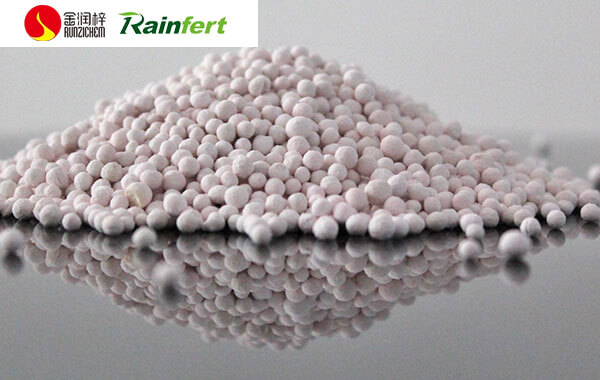
Granular Trace Elements Fertilizer
Chinese Name:Zinc Sulfate Monohydrate Granules English Name:zinc sulfate Chinese Synonyms:Goslarite, Zinc Vitriol Chemical Formula:ZnSO₄ Molecular Formula:ZnSO₄·7H₂O Appearance:White granules, odorless, with astringent taste. Control Class:Uncontrolled Packaging, Storage & Transportation:Woven bag with plastic inner lining. Net weight: 25kg, 50kg, 1000kg, 1250kg or as per customer requirements. Store in dry warehouse, away from fire and heat sources. Cover during transportation to avoid sun exposure, rain and moisture. Application:In agriculture, it can be used to prevent diseases in fruit tree nurseries. It is also a common trace element fertilizer for supplementing zinc in crops, applicable as basal fertilizer, foliar fertilizer, etc.
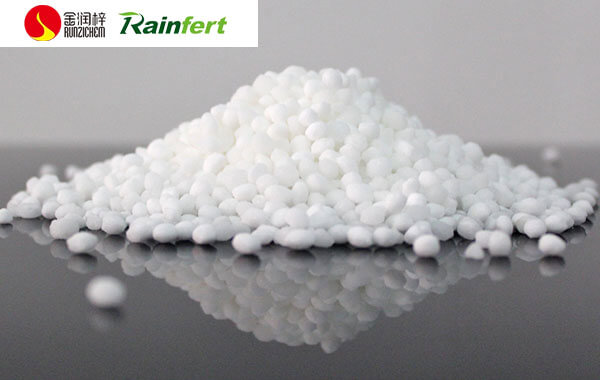
Granular Trace Elements Fertilizer
Chinese Name: Zinc Sulfate Monohydrate GranulesEnglish Name: zinc sulfateChinese Synonyms: Goslarite, Zinc VitriolChemical Formula: ZnSO₄Molecular Formula: ZnSO₄·7H₂OAppearance: White granules, odorless, astringent taste.Control Class: UncontrolledPackaging, Storage and Transportation: Woven bag with plastic inner lining.Net weight per bag: 25kg, 50kg, 1000kg, 1250kg or as per customer requirements.Store in a dry warehouse, away from fire and heat sources. Cover during transportation to avoid sun exposure, rain and moisture.Application: In agriculture, it can be used to prevent diseases in fruit tree nurseries. It is also a common fertilizer for supplementing zinc trace elements for crops, and can be used as base fertilizer, foliar fertilizer, etc.
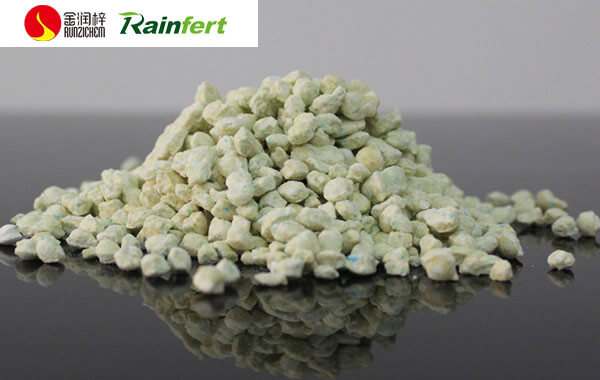
Granular Trace Elements Fertilizer
Mixed Trace ElementsProduct:Mixed Trace ElementsGrade:Agricultural GradeContent:98%Specification:25Kg / 50kgCAS:Mixed Trace FertilizerQuality Standard:National Standard Functions:Resists diseases caused by continuous cropping, effectively prevents nutrient deficiency, supplements secondary and trace elements for crops, ensures comprehensive and balanced nutrition, eliminates nutrient bottlenecks, promotes strong seedlings, improves fruit quality and increases yield.Application & Dosage:Basal application and fertigation: 7.5–10 kg per mu for vegetables; 2.5–5 kg per mu for grain, cotton and oil crops; 0.5–1.25 kg per plant for fruit trees. Foliar spray: 50–100 g with 15 kg water. Hole application: 20–30 g per fruit tree.
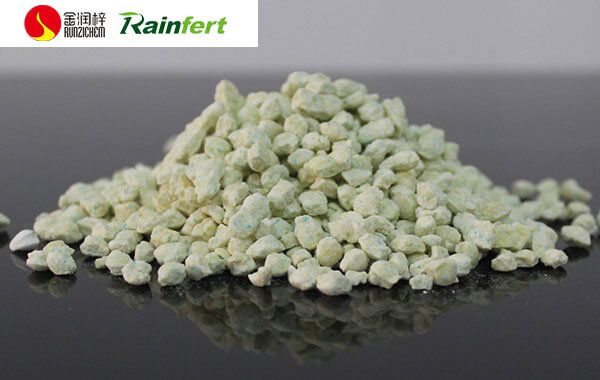
Granular Trace Elements Fertilizer
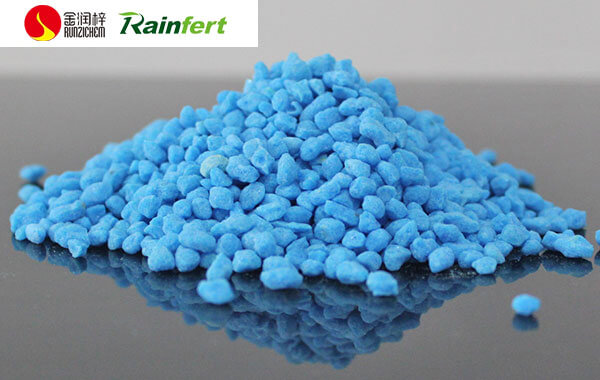
Mixed Trace ElementsProduct:Mixed Trace ElementsGrade:Agricultural GradeContent:98%Specification:25Kg / 50kgCAS:Mixed Trace FertilizerQuality Standard:National StandardFunctions:Resists diseases caused by continuous cropping, effectively prevents nutrient deficiency, supplements medium and trace elements for crops, ensures comprehensive and balanced nutrition, eliminates nutrient bottlenecks, promotes strong seedlings, improves fruit quality and increases yield.Application & Dosage:Basal application and fertigation: 7.5–10 kg per mu for vegetables; 2.5–5 kg per mu for grain, cotton and oil crops; 0.5–1.25 kg per plant for fruit trees. Foliar spray: 50–100 g mixed with 15 kg water. Hole application: 20–30 g per fruit tree.
Granular Trace Elements Fertilizer
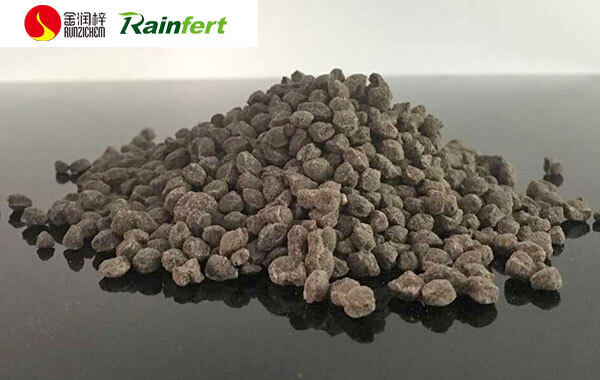
Mixed Trace ElementsProduct:Mixed Trace ElementsGrade:Agricultural GradePurity:98%Specification:25Kg / 50kgCAS:Mixed Trace FertilizerQuality Standard:National Standard Functions:Resists diseases caused by continuous cropping, effectively prevents nutrient deficiency, supplements medium and trace elements for crops, ensures balanced and complete nutrition, eliminates nutrient deficiencies, promotes strong seedlings and high-quality fruits, and increases yield.Application & Dosage:Basal application and fertigation. 7.5–10 kg per mu for vegetables; 2.5–5 kg per mu for grain, cotton and oil crops; 0.5–1.25 kg per plant for fruit trees. Foliar spray: 50–100 g with 15 kg water. Hole application: 20–30 g per fruit tree.
Granular Trace Elements Fertilizer
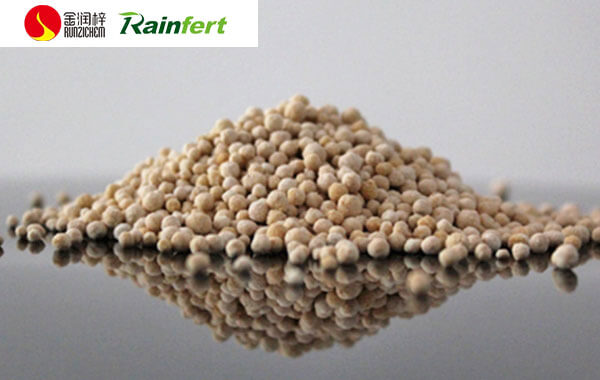
Mixed Trace ElementsProduct: Mixed Trace ElementsUsage Grade: Agricultural GradePurity: 98%Model: 25Kg / 50kgCAS: Mixed Trace FertilizerExecutive Quality Standard: National Standard Functions: Resists continuous cropping diseases, highly prevents nutrient deficiency symptoms, supplements medium and trace elements for crops, ensures complete crop nutrition without nutrient "shortcomings", provides full nutrition, resulting in strong seedlings, good fruits and increased yield.Applicable Crops & Application Methods: Basal application, fertigation. 7.5–10 kg per mu for vegetables; 2.5–5 kg per mu for grain, cotton and oil crops; 0.5–1.25 kg per plant for fruit trees. Foliar spray: 50–100 g mixed with 15 kg water. Hole application: 20–30 g per fruit tree.
Granular Trace Elements Fertilizer
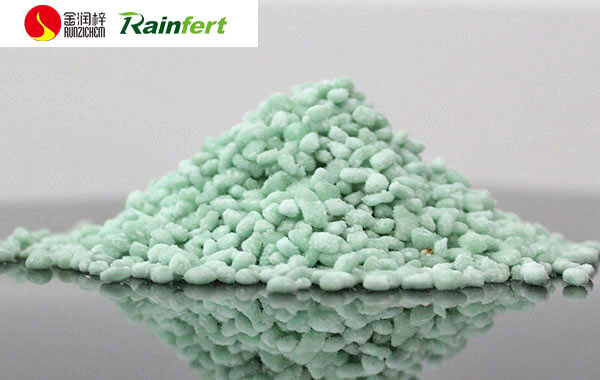
Magnesium Sulfate MonohydratePhysical and Chemical Indexes:Characteristics: Colorless columnar or acicular fine crystals, cool, salty and bitter taste, odorless, density 2.65 g/cm³. Stable in humid air below 48℃, readily efflorescent in warm air. Very soluble in water (1198%, 20℃) and glycerin, aqueous solution is neutral, slightly soluble in ethanol.Applications: Nutrient supplement, curing agent, flavor enhancer, processing aid. Additive for brewing, supplements magnesium in brewing water, serves as nutrient source during fermentation to improve fermentation capacity; adjusts water hardness.Packing: Plastic woven bag with polyethylene inner bag, net weight 25 kg or 50 kg per bag.Storage and Transportation: Should be stored in a dry, ventilated and clean warehouse, protected from rain and moisture, and stored separately from toxic substances.
Granular Trace Elements Fertilizer
Chinese Name: Ferrous SulfateChinese Synonyms: Green Vitriol, Iron VitriolpH: 3CAS No.: 7782-63-0Molecular Formula: FeSO4·7H2OEnglish Name: Ferrous SulfateMelting Point (℃): 64 (loses 3 molecules of crystal water)Relative Density (water=1): 1.897 (15℃)Solubility: Soluble in water and glycerol, insoluble in ethanol.Symptoms of Iron Deficiency: Young leaves show chlorosis while old leaves remain normal. Leaf mesophyll turns yellow but veins stay green, showing netted venation. In severe cases, the whole leaf withers, turns white, or falls off. Fruit trees and ornamental plants on calcareous soils in northern regions are prone to chlorosis. Dosage: (1) Foliar spray: Dilute with water at 800–1200 times, spray evenly on leaves, apply 2–3 times at intervals of 7–10 days. (2) Soil basal or topdressing: 1000–3000 g per mu for general crops, applied mixed with organic fertilizer. (3) Injection method: For fruit trees, use 10 mL of 0.1% ferrous sulfate solution (1000‑fold dilution). Insert the needle into the trunk, hang the infusion bottle on the tree for slow absorption. This method acts quickly, with visible effects in 3 days. (4) Direct soil application may lead to inactivation by conversion to high‑valent iron compounds. Therefore, mixing ferrous sulfate with 10–20 times organic fertilizer as basal fertilizer gives better results. Foliar application of 0.2%–0.5% aqueous solution is more effective than soil application. The safe concentration of ferrous sulfate is 0.2%–0.3%. Application: Agricultural Grade Adjusts soil pH, promotes chlorophyll formation (also known as iron fertilizer), prevents chlorosis in flowers and trees caused by iron deficiency. Essential for acid‑loving plants, especially cycads. Used as agricultural pesticide to control wheat smut, apple and pear scab, and fruit tree canker; also used as fertilizer to remove moss and lichen from tree trunks. Packaging, Storage and Transportation: Woven bag with plastic inner liner. Net weight: 25kg, 50kg, 1000kg, 1250kg or as per customer requirements. Store in dry warehouse, away from fire and heat sources. Cover during transportation to avoid sun exposure, rain and moisture.
Granular Trace Elements Fertilizer
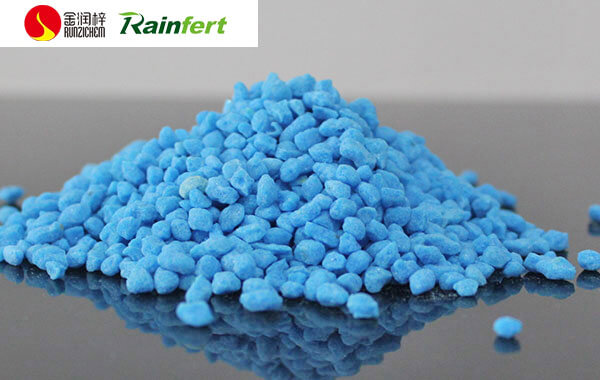
Copper sulfate appears as sky-blue or slightly yellowish granular crystals. Its aqueous solution is acidic. It is a protective inorganic fungicide, relatively safe for humans and livestock. Its chemical formula is CuSO4. It usually exists as pentahydrate CuSO4·5H2O, commonly known as blue vitriol; it is a blue rhombic crystal with a density of 2.284 g/cm3. Copper sulfate is an important raw material for preparing other copper compounds. Mixed with lime milk, it can form “Bordeaux mixture” used as an insecticide. Copper sulfate is also used as an electrolyte in the electrolytic refining of copper.Functions and Applications of Copper Sulfate(1) In inorganic industry, used for manufacturing other copper salts such as cuprous chloride, cupric chloride, copper pyrophosphate, cuprous oxide, copper acetate, copper carbonate, etc.(2) In dyestuff and pigment industry, used for producing copper-containing monoazo dyes such as reactive brilliant blue, reactive violet, etc.(3) In organic industry, used as a catalyst for synthesizing intermediates of fragrances and dyestuffs, and as a polymerization inhibitor for methyl methacrylate.(4) In coating industry, used as a fungicide for producing antifouling paints for ship bottoms; in electroplating industry, used as the main salt and copper ion additive for bright acid copper plating.(5) In printing and dyeing industry, used as a mordant and oxygenating agent for fine dyeing of fabrics.(6) Used as a fungicide in agriculture.(7) In breeding industry, used as the main raw material of trace element copper for feed additives.(8) Food-grade copper sulfate can be used as a chelating agent and clarifier in the production of preserved eggs and wine.(9) In biology, used to prepare Fehling’s reagent for detecting reducing sugars and Solution B of Biuret reagent for identifying proteins, usually prepared fresh before use.(10) Used for preparing Bordeaux mixture.
Granular Trace Elements Fertilizer
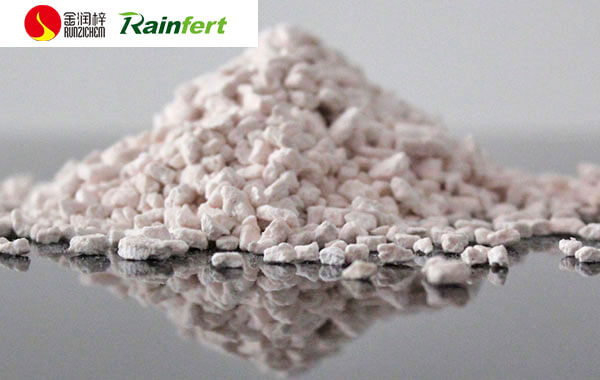
Feed Grade Manganese SulfateSynonym: Manganese(II) SulfateCAS No.: 10034-96-5Chemical Formula: MnSO4Molecular Formula: H2MnO5SEnglish Name: Manganese SulfateDensity (g/mL, 25℃): 2.95Melting Point (℃): 700Boiling Point (℃, atmospheric pressure): 850Physical and Chemical Properties: Manganese sulfate monohydrate appears as pale pink fine monoclinic crystals, with a density of 2.95 g/mL (25℃), melting point 700℃, boiling point 850℃. It is unstable under normal temperature and pressure. It is freely soluble in water with solubility of 5–10 g/100 mL at 21℃, and insoluble in ethanol. It begins to lose crystal water above 200℃, loses most crystal water at about 280℃, and forms anhydrous molten salt at 700℃. It starts to decompose at 850℃, releasing sulfur trioxide, sulfur dioxide or oxygen depending on conditions, leaving black insoluble manganese tetroxide, which decomposes completely at about 1150℃.Dosage (Feed Grade):Cattle: 20–40 mg of manganese sulfate powder per kg of diet; dairy cows generally require more than beef cattle.Sheep: 20–50 mg of manganese sulfate powder per kg of diet.Chickens: Requirements vary by breed. 50 mg per kg for chickens 0–20 weeks old; 33 mg per kg for chickens over 20 weeks old; 8 mg per kg for hens and laying hens.Ducks: Require relatively high manganese; 100–200 mg per kg of diet.Dogs: 35 mg per kg of diet.Cats: 20–40 mg per kg of diet.Pigs: 20–30 mg per kg of diet.Usage: Feed Grade1. Used as feed additive in animal husbandry and feed industry to promote sound growth and fattening of livestock and poultry.2. Adding manganese sulfate monohydrate powder to poultry feed can effectively prevent a series of diseases caused by manganese deficiency. Packaging, Storage and Transportation: Woven bag outer packaging with plastic bag inner lining. Net weight per bag: 25kg, 50kg, 1000kg, 1250kg or as per customer requirements. Store in dry warehouses, away from fire and heat sources. Cover during transportation to avoid sun exposure, rain and moisture.
Granular Trace Elements Fertilizer
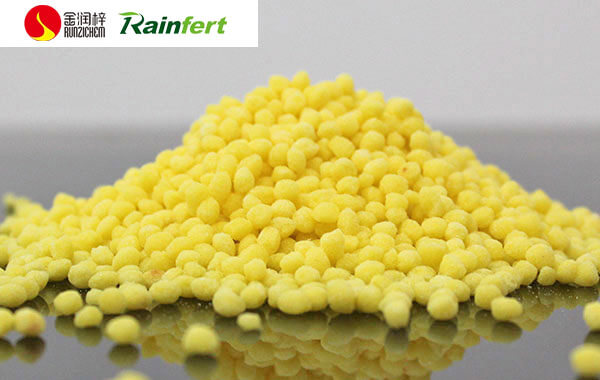
Chinese Name:Zinc Sulfate HeptahydrateChinese Synonyms:Goslarite, Zinc Vitriol, Zinc Sulfate, Zinc Sulfate HeptahydrateEnglish Name:zinc sulfate heptahydrate; zinc vitriol; white vitriolMolecular Formula:ZnSO₄·7H₂OMolecular Weight:287.54Specific Gravity:1.957CAS No: 7446-20-0National Standard HG/T 2326-2005Physical Properties:Relative density 1.957, melting point 1000℃. Freely soluble in water (96.5g/100ml at 20℃; 663.6g/100ml at 100℃), slightly soluble in ethanol and glycerin.
Granular Trace Elements Fertilizer
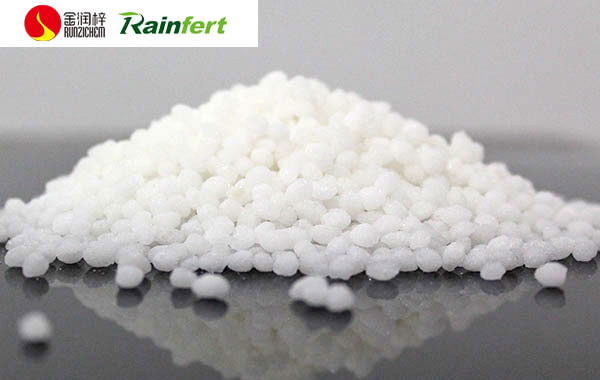
Chinese Name:Zinc Sulfate HeptahydrateChinese Synonyms:Goslarite, Zinc Vitriol, Zinc Sulfate, Zinc Sulfate HeptahydrateEnglish Name:zinc sulfate heptahydrate; zinc vitriol; white vitriolMolecular Formula:ZnSO4·7H2OMolecular Weight:287.54Specific Gravity:1.957CAS No: 7446-20-0National Standard HG/T 2326-2005Physical Properties:Relative density 1.957, melting point 1000℃. Freely soluble in water (96.5g/100ml at 20℃; 663.6g/100ml at 100℃), slightly soluble in ethanol and glycerin.
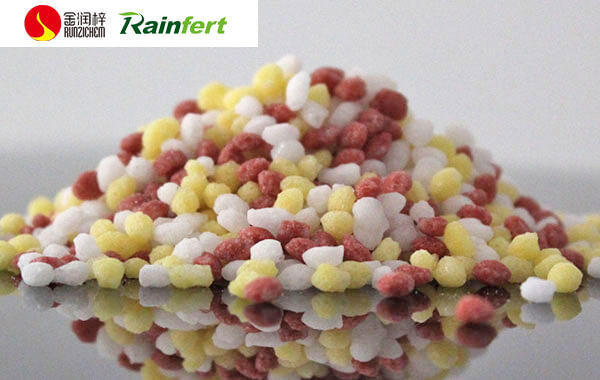
Granular Trace Elements Fertilizer
Chinese Name:Zinc Sulfate HeptahydrateChinese Synonyms:Goslarite, Zinc Vitriol, Zinc Sulfate, Zinc Sulfate HeptahydrateEnglish Name:zinc sulfate heptahydratr;zinc viteiol ;white bitriolMolecular Formula:ZnSO4·7H2OMolecular Weight:287.54Specific Gravity:1.957CAS No; 7446-20-0National Standard HG/T 2326-2005Physical Properties:Relative density 1.957, melting point 1000℃. Freely soluble in water (96.5g/100ml at 20℃; 663.6g/100ml at 100℃), slightly soluble in ethanol and glycerol.