 CN
CN
CN
CN
CN
CN
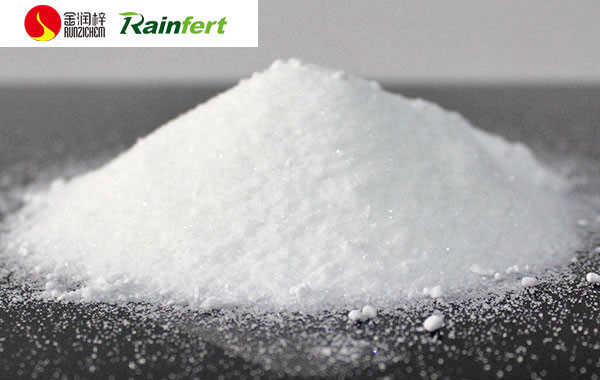
Other Fertilizer
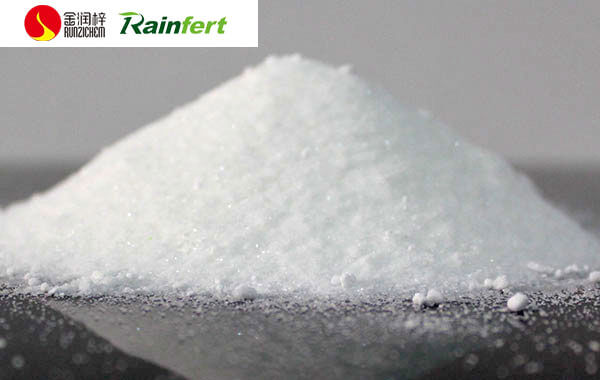
Other Fertilizer
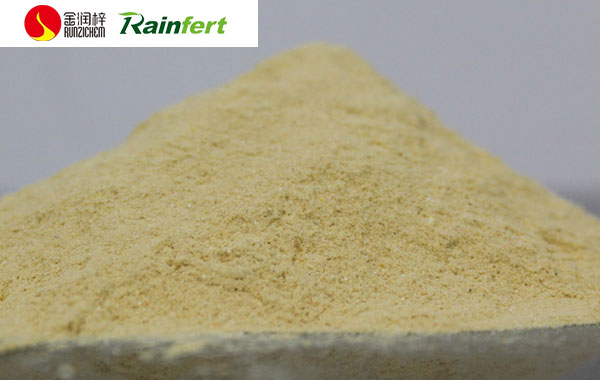
Other Fertilizer
Trade Name: Poly-γ-glutamic Acid (γ-PGA)Content: 10%Category: Agricultural Raw Material & Feed AdditiveBasic Properties:① Water Retention: The polyglutamic acid molecule contains more than 1,000 super hydrophilic groups, and its moisture retention and locking effect is 500 times that of hyaluronic acid.② Compatibility: Polyglutamic acid contains a large number of amide bonds and free carboxyl groups. Its unique molecular structure endows it with good biocompatibility. It can be used in combination with various fertilizers and biostimulants.③ Molecular Weight: Molecular weight ranges from 50,000 to 2,000,000 Daltons.④ Biodegradability: Completely degradable in the natural environment.⑤ Safety: Non-toxic and harmless, friendly to humans and the environment.Product Features:Promotes absorption of phosphorus fertilizer and medium-trace elements, retains water and nutrients2. Stimulates root growth and strengthens seedlings3. Improves crop stress resistance4. Improves soil quality5. Chelates heavy metals in soilStorage Conditions: Dry, cool, ventilated, away from lightUsage and Dosage:Fertilizer Enhancement: Can be added to compound fertilizers and water-soluble fertilizers, with a pure addition rate of 0.1%–0.3%.Foliar Spray: Mix 3g of powder with 15kg of water and spray directly. Apply 3–5 times according to the crop growth cycle.Seed Dressing: Polyglutamic acid can reduce side effects of seed dressings and improve germination rate. Recommended dosage: 2–5g per mu.
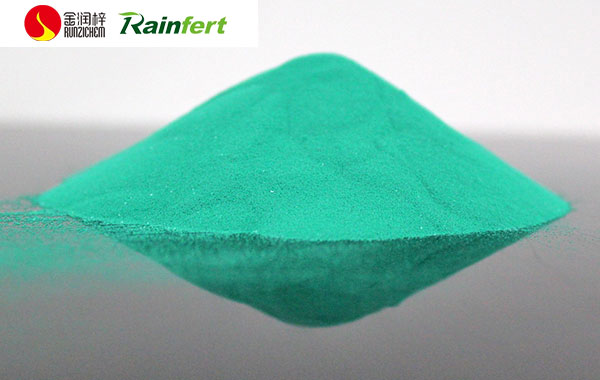
Other Fertilizer
Other Fertilizer
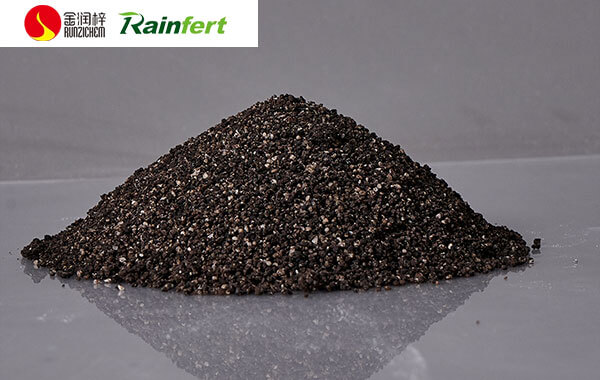
Application Method of Silicon Fertilizer: Soil basal application or topdressing: For fruit trees, apply 200–300 grams per plant (adjusted according to tree age) by hole application, furrow application or fertigation. For field crops, the general rate for soil basal application or topdressing is 5–10 kg per mu.
Other Fertilizer
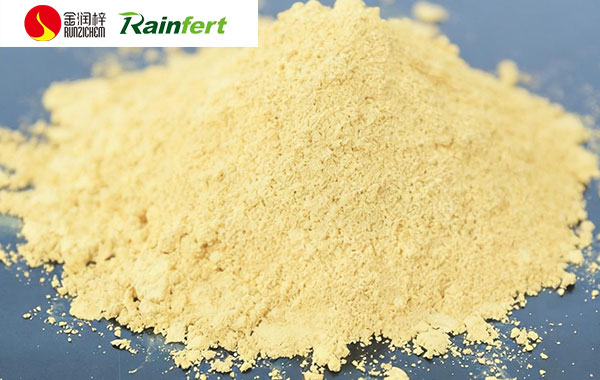
多维复合维生素-全能型 作用: 1.促进生长发育 2.增加抗逆性 3.提高光合作用 4.促花促果,生根绿叶 5.全方位助力作物长势 外观:浅黄色粉末 使用范围:大田类,蔬菜类,果树类,花卉绿植等一系列作物添加量:每亩推荐用量10-100g/亩 水溶肥添加:一吨2-10kg
Other Fertilizer
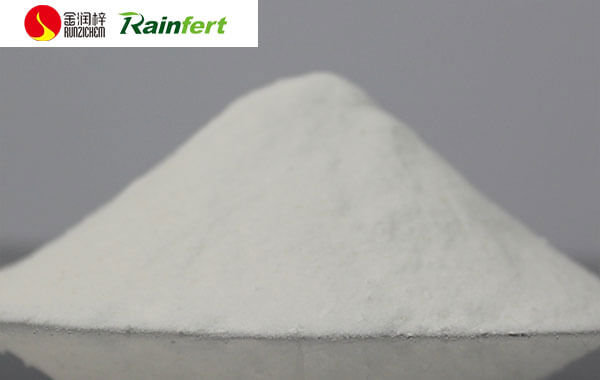
γ-Aminobutyric AcidForeign Name: γ-aminobutyric acidAlias / Abbreviation: GABAMolecular Formula: C₄H₉NO₂Structural Formula:Relative Molecular Mass: 103.12 (based on 2019 international relative atomic masses)Thermal Resistance: 202℃Suitable pH Range: 2–11Solubility: Completely water-solubleBrownish-yellow liquid or white crystalline powder, optically inactiveMiscible with water, slightly soluble in ethanol and propanol, insoluble in benzene and diethyl etherFunctions of γ-Aminobutyric Acid (GABA):① Promotes plant vegetative growth and absorption of key nutrients② Enhances plant photosynthesis and energy metabolism③ Regulates intracellular pH in plants④ Improves plant stress resistance, including tolerance to high and low temperatures and drought⑤ Affects levels of plant signaling substances (endogenous hormones)⑥ Promotes plant reproductive growth and induces ethylene synthesis⑦ Acts as both a metabolite and a signaling molecule, playing an active role in plant disease resistance
Boron Fertilizer
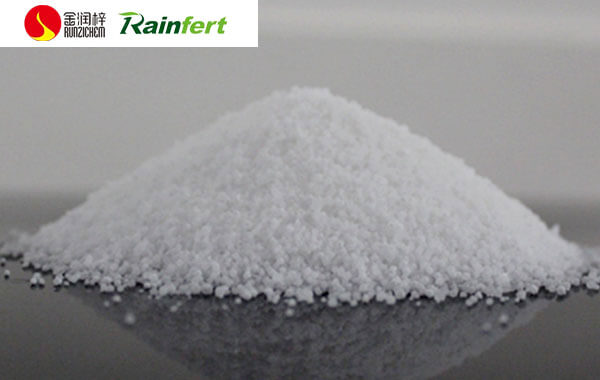
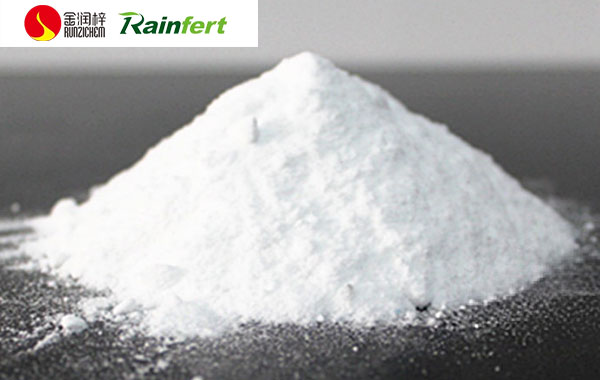
Uses of BoraxIt is mainly used in the glass and enamel industries. In glass production, it can enhance ultraviolet transmittance and improve the transparency and heat resistance of glass. In enamel products, it prevents glaze from peeling off easily and gives a glossy finish. It also has wide applications in special optical glass, glass fiber, welding fluxes for non-ferrous metals, jewelry adhesives, printing and dyeing, scouring (silk, wool fabrics, etc.), gold refining, cosmetics, pesticides, fertilizers, borax soap, preservatives, antifreeze agents and medical disinfectants. Borax is the basic raw material for manufacturing boron-containing compounds; almost all such compounds can be produced from borax. They play important and extensive roles in metallurgy, iron and steel, machinery, military industry, cutting tools, papermaking, electron tubes, chemical engineering, textiles and other fields. In medicine, borax is used for disinfection and antisepsis of skin and mucous membranes, and in the treatment of skeletal fluorosis, tinea pedis, pulpitis, mycotic vaginitis, cervical erosion, bedsores, acne, external auditory eczema, herpes viral skin diseases, epilepsy and tumors. In veterinary medicine, borax is used to treat infectious laryngotracheitis in chickens, contagious ecthyma in goats, mycoplasmal pneumonia in pigs and chronic mucinous endometritis in cattle. It also attracts considerable attention as a feed additive.
Boron Fertilizer
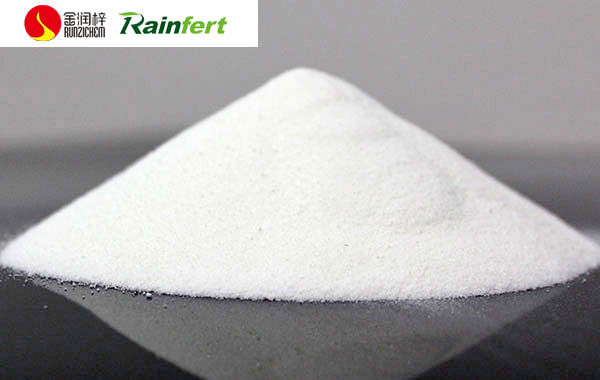
Appearance:White powder Purity (Na2B8O13·4H2O):More than 99.9% Boron Oxide (B2O3):67±0.5% Boron Element (B):20.5±0.5% Sodium Oxide (Na2O):14±1% pH Value:7–8.5 Solubility:Highly soluble in water. 4.2g/100ml water at 0℃, 41g/100ml water at 50℃, 74g/100ml water at 100℃. Dissolution rate in cold water (10℃):15g/3min Screen Residue:(325 mesh) /% ≤ 0.5 Product Features: 1. High boron content:This product has stable boron efficiency and high fertilizer efficiency, with pure boron content ≥20.5% and purity ≥99.0%. 2. Excellent instant solubility:This product dissolves very rapidly, even at low temperatures, in water or more viscous liquids. In addition, it has high solubility; its solubility at 30℃ is equivalent to that of borax in hot water at 75℃. 3. Efficient and economical:This product is formulated with appropriate surfactants and penetrants, requiring low dosage. After application, it can be quickly absorbed and utilized by leaves, stems, flowers, fruits and soil, with boron utilization rate above 80%, showing obvious fertilizer effect on crops. It is especially suitable for large‑scale agricultural machinery, can be used with other measures, simplifies operation, and saves labor and cost. 4. Safe and efficient:This product is absorbed in the current season of application, leaving no residue in soil and causing no pollution. It meets environmental protection requirements and the development direction of pollution‑free agriculture, with broad application prospects. 5. Good compatibility:The aqueous solution of this product is nearly neutral (pH 7.6). It can be mixed with many foliar fertilizers and chemical pesticides (except alkaline pesticides) without degradation, and itself is also a good insecticidal, disease‑preventing, antiseptic and disinfecting agent. 6. Obvious fertilizer effect:When soil is boron‑deficient, application of this product can increase yield by 15%–45% and significantly improve crop quality. It features low input and quick effect.
Boron Fertilizer
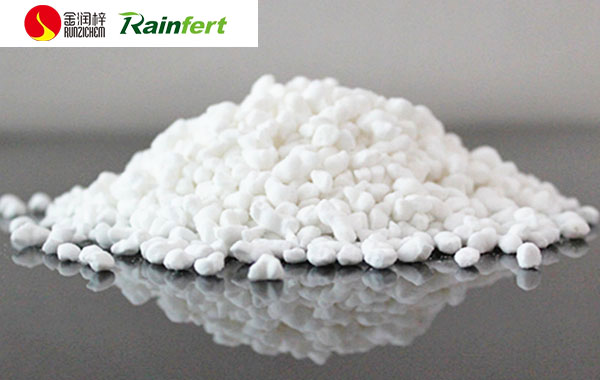
Chinese Name: Boron 17%English Name: Boric AcidCAS No.: 10043-35-3Executive Standard for Industrial Boric Acid: GB/T 538-2006Melting Point (℃): 185 (decomposes)Boiling Point (℃): 300Relative Density (water=1): 1.44 (15℃)Appearance and Character: Colorless triclinic crystals with slight pearly luster or white powder, slippery to the touch, odorless.Main Applications: Used in glass, enamel, pharmaceutical, cosmetic and other industries, as well as for the preparation of boron and borates, and also as food preservatives and disinfectants. Boric acid is also one of the basic raw materials for producing other boron compounds. Boron compounds produced from it are widely used in national defense, other industrial sectors and scientific research institutions. Used as a pH adjuster and bacteriostatic preservative.
Boron Fertilizer
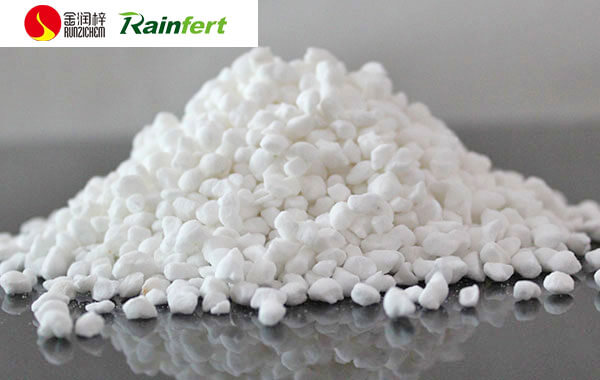
Uses of Borax DecahydrateIt is mainly used in the glass and enamel industries. In glass manufacturing, it can increase UV transmittance, improve transparency and heat resistance. In enamel products, it prevents glaze from peeling and imparts a glossy finish. It also has wide applications in special optical glass, glass fiber, welding fluxes for non-ferrous metals, jewelry adhesives, printing and dyeing, scouring (silk, wool, etc.), gold refining, cosmetics, pesticides, fertilizers, borax soap, preservatives, antifreeze agents and medical disinfectants. Borax is the basic raw material for producing boron-containing compounds; nearly all such compounds can be made from borax. They are widely and importantly used in metallurgy, iron and steel, machinery, military industry, cutting tools, papermaking, electron tubes, chemical engineering, textiles and other sectors. In medicine, borax is used for disinfection and antisepsis of skin and mucous membranes, and in the treatment of skeletal fluorosis, tinea pedis, pulpitis, mycotic vaginitis, cervical erosion, bedsores, acne, external auditory eczema, herpes viral skin diseases, epilepsy and tumors. In veterinary medicine, it is used to treat infectious laryngotracheitis in chickens, contagious ecthyma in goats, mycoplasmal pneumonia in pigs and chronic mucinous endometritis in cattle. It also draws much attention as a feed additive.
Boron Fertilizer
Uses of Borax DecahydrateIt is mainly used in the glass and enamel industries. In glass production, it can enhance UV transmittance, and improve the transparency and heat resistance of glass. In enamel products, it prevents the glaze from peeling off easily and gives a glossy finish. It also has wide applications in special optical glass, glass fiber, welding fluxes for non-ferrous metals, jewelry adhesives, printing and dyeing, scouring (silk, wool fabrics, etc.), gold refining, cosmetics, pesticides, fertilizers, borax soap, preservatives, antifreezes and medical disinfectants. Borax is the basic raw material for producing boron-containing compounds; almost all boron-containing compounds can be prepared from borax. They play important and extensive roles in metallurgy, iron and steel, machinery, military industry, cutting tools, papermaking, electron tubes, chemical engineering, textiles and other fields. In medicine, borax is used for disinfection and antisepsis of skin and mucous membranes, and in the treatment of skeletal fluorosis, tinea pedis, pulpitis, mycotic vaginitis, cervical erosion, bedsores, acne, external auditory eczema, herpes viral skin diseases, epilepsy and tumors. In veterinary medicine, borax is used to treat infectious laryngotracheitis in chickens, contagious ecthyma in goats, mycoplasmal pneumonia in pigs and chronic mucinous endometritis in cattle. It also attracts much attention as a feed additive.
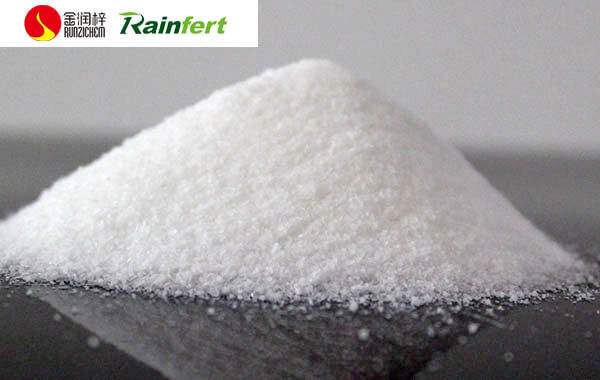
Boron Fertilizer
Uses of BoraxIt is mainly used in the glass and enamel industries. In glass production, it can increase ultraviolet transmittance, improve transparency and heat resistance. In enamel products, it prevents glaze from peeling off and gives a glossy finish. It also has wide applications in special optical glass, glass fiber, welding fluxes for non-ferrous metals, jewelry adhesives, printing and dyeing, scouring (silk, wool and other textiles), gold refining, cosmetics, pesticides, fertilizers, borax soap, preservatives, antifreeze agents and medical disinfectants. Borax is the basic raw material for manufacturing boron-containing compounds; almost all such compounds can be produced from borax. They play important and extensive roles in metallurgy, iron and steel, machinery, military industry, cutting tools, papermaking, electron tubes, chemical engineering, textiles and other fields. In medicine, borax is used for disinfection and antisepsis of skin and mucous membranes, and in the treatment of skeletal fluorosis, tinea pedis, pulpitis, mycotic vaginitis, cervical erosion, bedsores, acne, external auditory eczema, herpes viral skin diseases, epilepsy and tumors. In veterinary medicine, it is used to treat infectious laryngotracheitis in chickens, contagious ecthyma in goats, mycoplasmal pneumonia in pigs and chronic mucinous endometritis in cattle. It also attracts considerable attention as a feed additive.
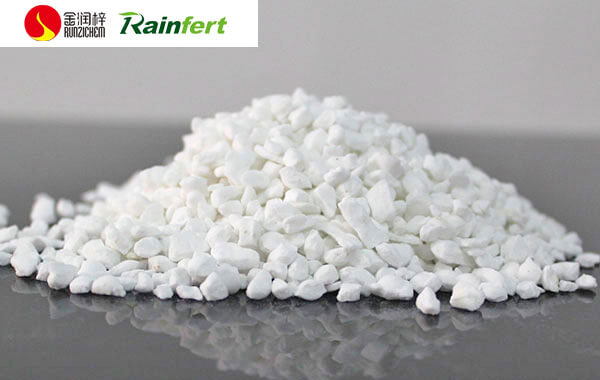
Boron Fertilizer
Chinese Name: Boron 17%English Name: Boric AcidCAS: 10043-35-3Executive Standard for Industrial Boric Acid: GB/T 538-2006Melting Point (℃): 185 (decomposes)Boiling Point (℃): 300Relative Density (water=1): 1.44 (15℃)Appearance & Character: Colorless triclinic crystals with slightly pearly luster or white powder, slippery to the touch, odorless.Main Applications: Used in glass, enamel, medicine, cosmetics and other industries, as well as for the preparation of boron and borates, and also as food preservatives and disinfectants. Boric acid is also one of the basic raw materials for producing other boron compounds. Boron compounds produced from it are widely used in national defense, other industrial sectors and scientific research institutions. Used as a pH regulator and bacteriostatic preservative.
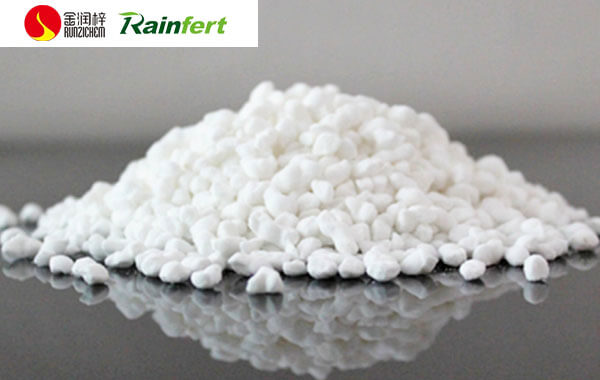
Boron Fertilizer
Physiological functions of boron in plants mainly include the following aspects: Boron is a component of various plant tissues and affects the formation of cell membranes. Boron participates in the cell division of meristematic tissues. Under boron deficiency, cell division is inhibited and growth points become necrotic within a few days. Boron promotes the transformation and translocation of carbohydrates, accelerates plant growth and development, and induces early maturity. Boron benefits the formation and stability of chlorophyll. Under boron deficiency, new leaves turn white and old leaves yellow prematurely. Boron inhibits the excessive biosynthesis of phenolic compounds and lignin, preventing apical bud brown rot and heart rot. Boron plays an important role in the formation and development of plant reproductive organs. It promotes pollen germination and pollen tube elongation, significantly affects plant fertilization, favors seed formation, and reduces flower and fruit drop. Boron enhances plant stress resistance. It improves drought and disease resistance of crops; boron regulates water status in plants and strengthens the water-binding capacity of colloids; boron application promotes vitamin C synthesis, and increased vitamin C further enhances crop stress resistance.
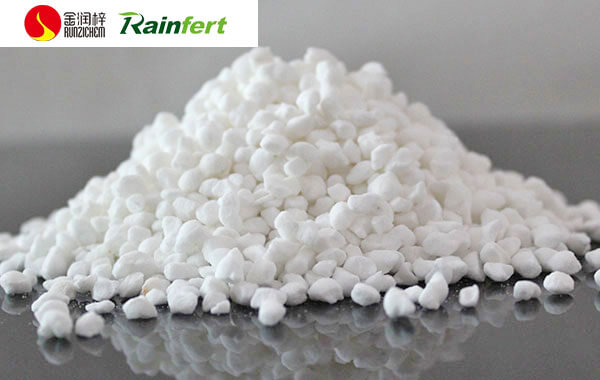
Boron Fertilizer
Uses of BoraxIt is mainly used in the glass and enamel industries. In glass production, it can increase UV transmittance, improve transparency and heat resistance. In enamel products, it prevents glaze from peeling off and gives a glossy finish. It also has wide applications in special optical glass, glass fiber, welding fluxes for non-ferrous metals, jewelry adhesives, printing and dyeing, scouring (silk, wool, etc.), gold refining, cosmetics, pesticides, fertilizers, borax soap, preservatives, antifreeze agents and medical disinfectants. Borax is the basic raw material for manufacturing boron-containing compounds; almost all such compounds can be produced from borax. They play important and extensive roles in metallurgy, iron and steel, machinery, military industry, cutting tools, papermaking, electron tubes, chemical engineering, textiles and other fields. In medicine, borax is used for disinfection and antisepsis of skin and mucous membranes, and in the treatment of skeletal fluorosis, tinea pedis, pulpitis, mycotic vaginitis, cervical erosion, bedsores, acne, external auditory eczema, herpes viral skin diseases, epilepsy and tumors. In veterinary medicine, it is used to treat infectious laryngotracheitis in chickens, contagious ecthyma in goats, mycoplasmal pneumonia in pigs and chronic mucinous endometritis in cattle. It also attracts considerable attention as a feed additive.
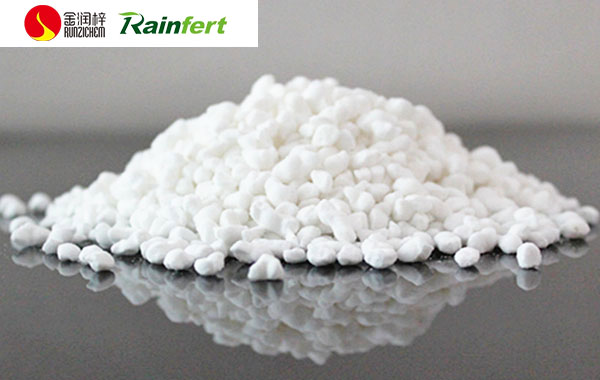
Boron Fertilizer
It is mainly used in the glass and enamel industries. In glass, it can enhance the transmittance of ultraviolet rays, improve the transparency and heat resistance of glass. In enamel products, it can prevent enamel from falling off easily and make it glossy. It also has a wide range of applications in special optical glass, glass fiber, welding agents for non-ferrous metals, adhesives for jewelry, printing and dyeing, washing (silk and wool fabrics, etc.), gold refining, cosmetics, pesticides, fertilizers, borax soaps, preservatives, antifreezes, and medical disinfectants. Borax is the basic raw material for producing boron-containing compounds; almost all boron-containing compounds can be prepared from borax. They have important and extensive uses in metallurgy, iron and steel, machinery, military industry, cutting tools, papermaking, electronic tubes, chemical engineering, textiles and other sectors. In medicine, borax is used for disinfection and antisepsis of skin and mucous membranes, and in the treatment of fluorosis, tinea pedis, pulpitis, mycotic vaginitis, cervical erosion, bedsores, acne, eczema of the external auditory canal, herpes viral skin diseases, epilepsy, as well as tumors. In veterinary medicine, borax is used for the treatment of infectious laryngotracheitis in chickens, contagious ecthyma in goats, mycoplasmal pneumonia in pigs, and chronic mucinous endometritis in cattle. It also attracts much attention as a feed additive.
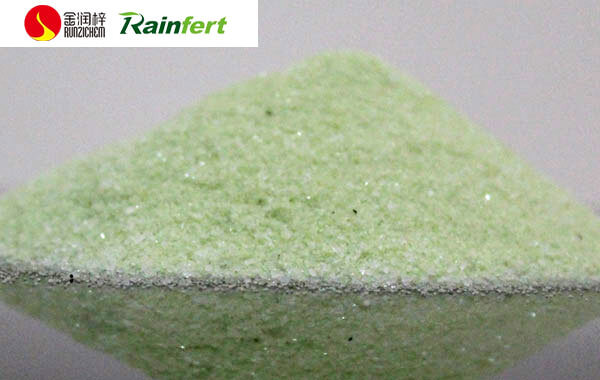
Sulphates Fertilizer
Specific Applications of Ferrous Sulfate:1. Industrial Applications:Ferrous sulfate is used for wastewater treatment in printing, dyeing, electroplating and other industries. It is used in the production of iron salts and inks, and serves as a mordant, tanning agent, bleaching agent, wood preservative, disinfectant, etc.2. Agricultural Applications:Ferrous sulfate can be used as a fertilizer, acting as a catalyst for plants to synthesize chlorophyll, which is crucial for nutrient absorption. It can also be used as a chemical fertilizer, herbicide and pesticide to control wheat smut, prevent orchard pests and fruit tree rot diseases, and eliminate moss and lichen on tree trunks.3. Pharmaceutical Applications:In medicine, ferrous sulfate is used as a topical astringent and hematinic. The iron it contains is a raw material for the synthesis of red blood cells in the human body.
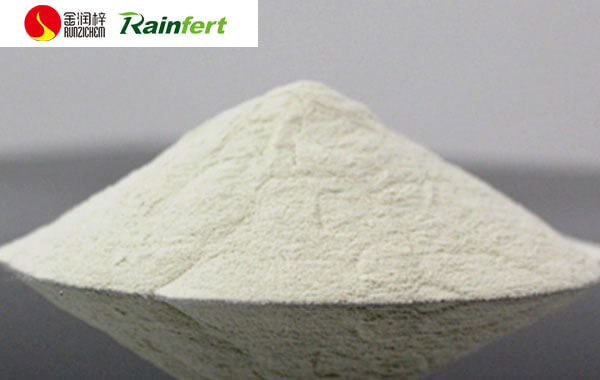
Sulphates Fertilizer
Specific Applications of Ferrous Sulfate:1. Industrial Applications: Ferrous sulfate is used in wastewater treatment for printing and dyeing, electroplating and other industries. It is applied in the production of iron salts and inks, and serves as a mordant, tannage agent, bleaching agent, wood preservative, disinfectant, etc.2. Agricultural Applications: Ferrous sulfate can be used as a fertilizer, acting as a catalyst for plants to produce chlorophyll, which plays an important role in nutrient absorption by plants. It can also be used as chemical fertilizer, herbicide and pesticide to treat smut in wheat, prevent pests in orchards and rot diseases of fruit trees, and eliminate moss and lichen on tree trunks.3. Pharmaceutical Applications: In medicine, ferrous sulfate is used as a local astringent and hematinic. The iron it contains is a raw material for the synthesis of red blood cells in the body.
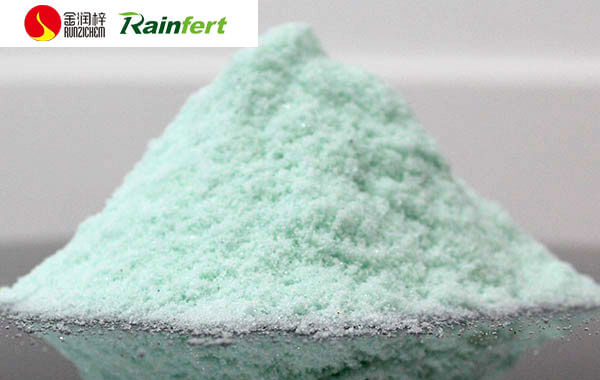
Sulphates Fertilizer
Chinese Synonyms: Green Vitriol, Iron VitriolpH: 3CAS No.: 7782-63-0Molecular Formula: FeSO₄·7H₂OEnglish Name: Ferrous SulfateMelting Point (℃): 64 (loses 3 molecules of water of crystallization)Relative Density (water=1): 1.897 (15℃)Solubility: Soluble in water and glycerol, insoluble in ethanol.Symptoms of Iron Deficiency: Young leaves show chlorosis while old leaves remain normal. Leaf mesophyll turns yellow but veins stay green, showing netted veins. In severe cases, the whole leaf withers, turns white or falls off. Fruit trees and ornamental plants on calcareous soils in northern China are prone to chlorosis. Dosage: (1) Foliar spray: Dilute with water by 800–1200 times, spray evenly on leaves, apply 2–3 times at intervals of 7–10 days. (2) Soil basal or topdressing: 1000–3000 grams per mu for general crops, applied after mixing with organic fertilizer. (3) Injection method: For fruit trees, use 10 mL of 0.1% ferrous sulfate solution (diluted 1000 times). Insert the needle into the trunk, hang the infusion bottle on the tree for slow absorption. This method acts quickly, with visible effects in 3 days. (4) Direct soil application of iron fertilizer easily converts to high-valent iron compounds and becomes ineffective. Therefore, mixing ferrous sulfate with 10–20 times of organic fertilizer as base fertilizer gives better results. Foliar application of 0.2%–0.5% ferrous sulfate aqueous solution is better than soil application. The safe concentration of ferrous sulfate is 0.2%–0.3%. Applications: Agricultural Grade Adjusts soil pH, promotes chlorophyll formation (also known as iron fertilizer), prevents chlorosis in flowers and trees caused by iron deficiency. An essential element for acid-loving plants, especially cycads. Also used as agricultural pesticide to control wheat smut, apple and pear scab, fruit tree rot; used as fertilizer to remove moss and lichen from tree trunks. Packaging & Storage: Woven bag outer packaging with plastic film inner lining. Net weight per bag: 25kg, 50kg, 1000kg, 1250kg or as per customer requirements. Store in dry warehouse, away from fire and heat sources. Cover during transportation to avoid sun exposure, rain and moisture.
Sulphates Fertilizer
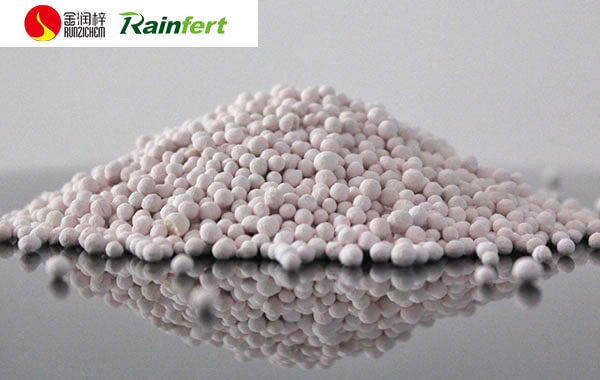
Molecular Formula:ZnSO₄·7H₂O Molecular Weight:287.54 Properties:White orthorhombic crystals, astringent, readily efflorescent in dry air, soluble in water, slightly soluble in alcohol and glycerol. Applications:Mainly used as raw material for manufacturing lithopone and other zinc salts, and also as an important auxiliary material for viscose fiber and vinylon fiber. It is also used as a dyeing agent, preservative for wood and leather, clarifier and preservative for bone glue, medical emetic and fungicide. It is also applied in electroplating, mineral flotation, disease prevention for fruit tree seedlings, circulating cooling water treatment, etc. Used as a trace-element fertilizer in agriculture and as a feed additive in animal husbandry.
Sulphates Fertilizer
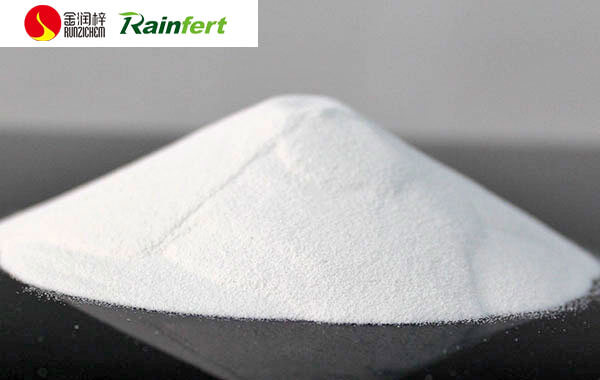
Molecular Formula:ZnSO₄·7H₂O Molecular Weight:287.54 Properties:White orthorhombic crystals, astringent, readily efflorescent in dry air, soluble in water, slightly soluble in alcohol and glycerol. Applications:Mainly used as raw material for the production of lithopone and other zinc salts, as well as an important auxiliary material for viscose fiber and vinylon fiber. Also used as a dyeing agent, wood and leather preservative, bone glue clarifier and preservative, medical emetic and fungicide. Applied in electroplating, flotation, prevention of fruit tree seedling diseases, circulating cooling water treatment, etc. Used as a trace element fertilizer in agriculture and as a feed additive in animal husbandry.
Sulphates Fertilizer
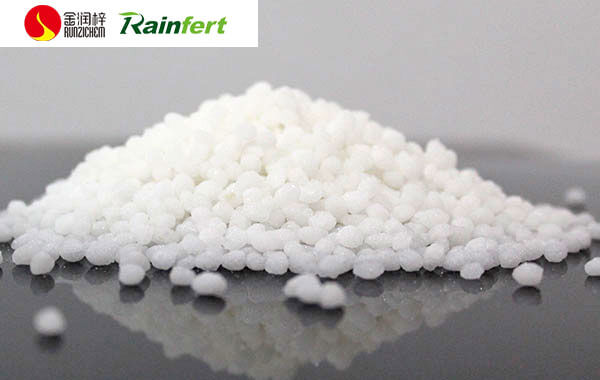
Chinese Name:Zinc Sulfate HeptahydrateChinese Synonyms:Goslarite, Zinc Vitriol, Zinc Sulfate, Zinc Sulfate HeptahydrateEnglish Name:zinc sulfate heptahydrate; zinc vitriol; white vitriolMolecular Formula:ZnSO₄·7H₂OMolecular Weight:287.54Specific Gravity:1.957CAS No.: 7446-20-0National Standard: HG/T 2326-2005Physical Properties:Relative density: 1.957, melting point: 1000℃. Freely soluble in water (96.5g/100ml at 20℃; 663.6g/100ml at 100℃), slightly soluble in ethanol and glycerol. Crops sensitive to zinc deficiency:corn, rice, sugar beet, soybean, kidney bean, citrus, pear, peach, tomato, etc., among which corn and rice are the most sensitive. The application of zinc fertilizer has an obvious effect on preventing and controlling "white stripe seedling" caused by zinc deficiency in corn and little leaf disease in fruit trees.Application MethodFoliar spray:Dilute with water by 1000–1500 times, spray evenly on the leaf surface for 2–3 consecutive times at an interval of 10–15 days.Base fertilizer or topdressing:Apply 500–1000 grams per mu mixed evenly with fine soil or farmyard manure.Seed dressing:Use 2–3 grams of this product per kilogram of seeds, dissolve in a small amount of water and mix evenly with seeds.Seed soaking:Soak seeds in a 0.02–0.05% solution (diluted 2000–5000 times) for 8–12 hours, air-dry before sowing.
Sulphates Fertilizer
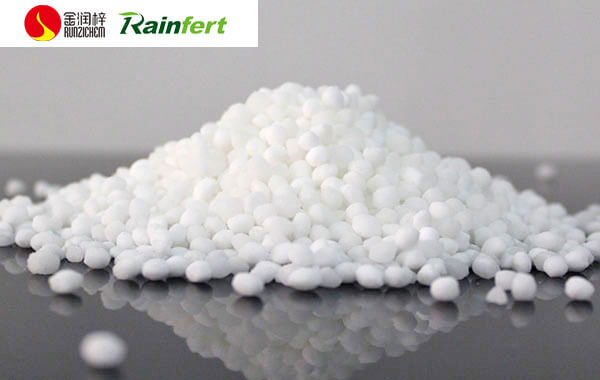
Chinese Name:Zinc Sulfate HeptahydrateChinese Synonyms:Goslarite, Zinc Vitriol, Zinc Sulfate, Zinc Sulfate HeptahydrateEnglish Name:zinc sulfate heptahydrate; zinc vitriol; white vitriolMolecular Formula:ZnSO₄·7H₂OMolecular Weight:287.54Specific Gravity:1.957CAS No.: 7446-20-0National Standard: HG/T 2326-2005Physical Properties:Relative density: 1.957, melting point: 1000℃. Freely soluble in water (96.5g/100ml at 20℃; 663.6g/100ml at 100℃), slightly soluble in ethanol and glycerol. Crops sensitive to zinc deficiency include:corn, rice, sugar beets, soybeans, kidney beans, citrus, pears, peaches, tomatoes, etc., among which corn and rice are the most sensitive. Application of zinc fertilizer has a significant effect on preventing and controlling "white stripe seedling" caused by zinc deficiency in corn and leaf roll disease in fruit trees.Application MethodFoliar Spray:Dilute with water by 1000–1500 times, spray evenly on leaf surfaces, apply 2–3 times at an interval of 10–15 days.Base Fertilizer or Topdressing:Apply 500–1000 grams per mu mixed evenly with fine soil or farmyard manure.Seed Dressing:Use 2–3 grams of this product per kilogram of seeds, dissolve in a small amount of water and mix evenly with seeds.Seed Soaking:Soak seeds in a 0.02–0.05% solution (diluted 2000–5000 times) for 8–12 hours, air-dry before sowing.
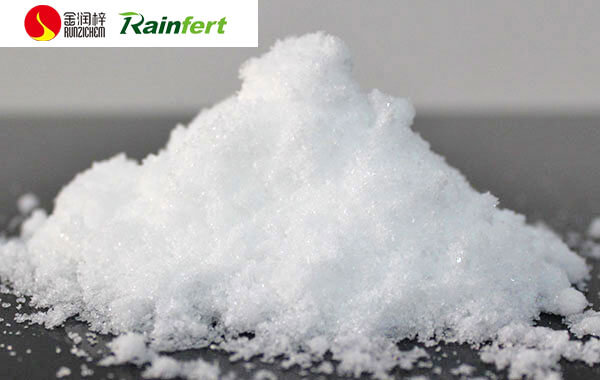
Sulphates Fertilizer
Chinese Name:Zinc Sulfate HeptahydrateChinese Synonyms:Goslarite, Zinc Vitriol, Zinc Sulfate, Zinc Sulfate HeptahydrateEnglish Name:zinc sulfate heptahydrate; zinc vitriol; white vitriolMolecular Formula:ZnSO₄·7H₂OMolecular Weight:287.54Specific Gravity:1.957CAS No.: 7446-20-0National Standard: HG/T 2326-2005Physical Properties:Relative density: 1.957, melting point: 1000℃. Freely soluble in water (96.5g/100ml at 20℃; 663.6g/100ml at 100℃), slightly soluble in ethanol and glycerol.
Sulphates Fertilizer
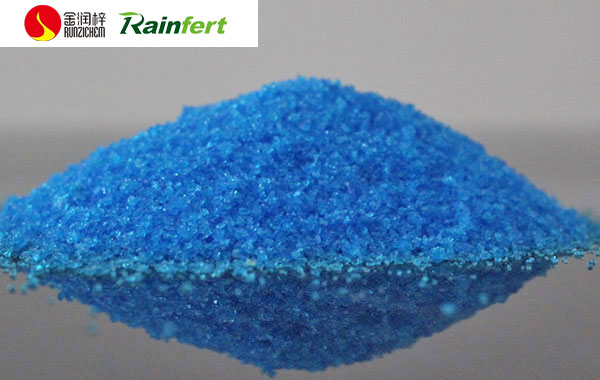
Copper sulfate appears as sky-blue or slightly yellowish granular crystals. Its aqueous solution is acidic. It is a protective inorganic fungicide, relatively safe for humans and livestock. Its chemical formula is CuSO₄. It usually exists as pentahydrate CuSO₄·5H₂O, commonly known as blue vitriol; it is a blue rhombic crystal with a density of 2.284 g/cm³. Copper sulfate is an important raw material for preparing other copper compounds. Mixed with milk of lime, it can form "Bordeaux mixture" used as an insecticide. Copper sulfate is also used as an electrolyte in the electrolytic refining of copper. Functions and Applications of Copper Sulfate(1) In inorganic industry, it is used to manufacture other copper salts such as cuprous chloride, cupric chloride, copper pyrophosphate, cuprous oxide, copper acetate, copper carbonate, etc.(2) In dye and pigment industry, it is used to produce copper-containing monoazo dyes such as reactive brilliant blue, reactive violet, etc.(3) In organic industry, it serves as a catalyst for synthesizing intermediates of perfumes and dyes, and a polymerization inhibitor for methyl methacrylate.(4) In coating industry, it is used as a fungicide for manufacturing antifouling paints for ship bottoms. In electroplating industry, it is used as the main salt and copper ion additive for bright acid copper plating.(5) In printing and dyeing industry, it is used as a mordant and oxygen assistant for fine dyeing of fabrics.(6) Used as a fungicide in agriculture.(7) In aquaculture, it is used as the main raw material of trace element copper for feed additives.(8) Food-grade copper sulfate can be used as a chelating agent and clarifier in the production of preserved eggs and wine.(9) In biology, it is used to prepare Fehling's reagent for detecting reducing sugars and Solution B of Biuret reagent for identifying proteins, which are usually prepared freshly before use.(10) For the preparation of Bordeaux mixture.
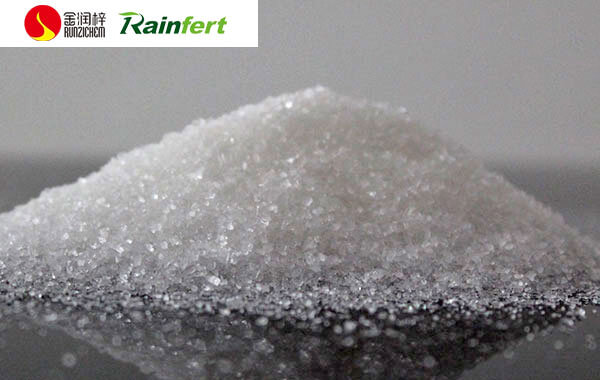
Sulphates Fertilizer
Sulphates Fertilizer
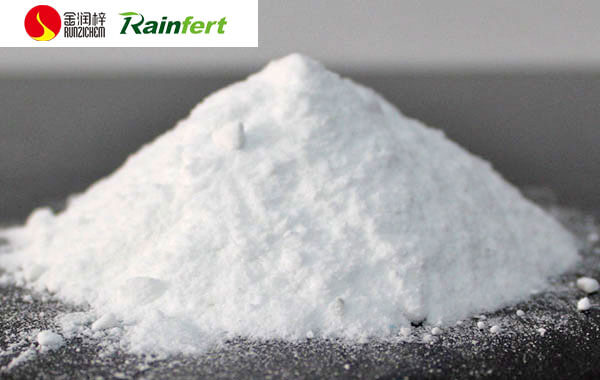
Chinese Name: Potassium SulfateEnglish Name: Potassium sulfateFormula: K₂SO₄Molecular Weight: 174.24CAS No.: 7778-80-5Total Content: 99%Potassium sulfate is also a chemically neutral, physiologically acidic fertilizer. Reactions in different soils and precautions are as follows:Firstly, in acidic soils, excess sulfate ions will increase soil acidity and even intensify the toxicity of active aluminum and iron in the soil to crops. Under waterlogged conditions, excessive sulfate will be reduced to hydrogen sulfide, causing root damage and blackening. Therefore, long-term application of potassium sulfate should be combined with farmyard manure, alkaline phosphate fertilizers and lime to reduce acidity. In practice, drainage and sun-drying measures should also be adopted to improve soil aeration.Secondly, in calcareous soils, sulfate ions react with calcium ions in the soil to form poorly soluble calcium sulfate (gypsum). Excessive calcium sulfate may cause soil compaction, so increasing the application of farmyard manure is recommended.Thirdly, it is mainly used on chlorine-sensitive crops, such as tobacco, tea, grapes, sugarcane, sugar beets, watermelons, potatoes and other tuber crops. Applying potassium sulfate can not only increase yield but also improve product quality. Potassium sulfate is more expensive and less available than potassium chloride, so it should be prioritized on chlorine-sensitive, sulfur-loving and potassium-loving cash crops for better economic benefits.
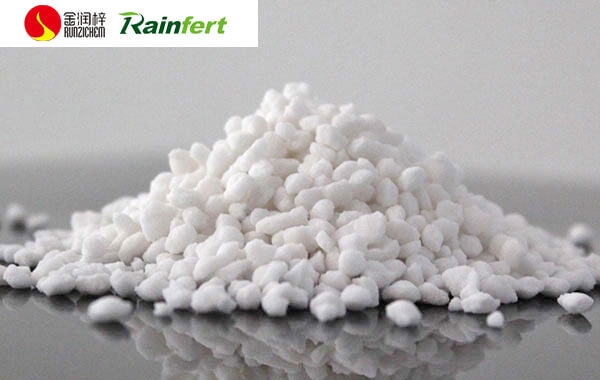
Sulphates Fertilizer
Chinese Chemical Name: Ammonium Sulfate English Chemical Name: ammonium sulfate Synonym: Ammonium Sulphate Chemical Formula: (NH₄)₂SO₄ Molecular Weight: 132.16 Hazardous Ingredient CAS No. Ammonium Sulfate 7783-20-2 Applications: Ammonium sulfate is mainly used as a fertilizer, suitable for various soils and crops. 2. It can also be used in textiles, leather, pharmaceuticals and other industries. 3. Food-grade ammonium sulfate is produced by dissolving industrial-grade ammonium sulfate in distilled water, purifying the solution with arsenic removal agent and heavy metal removal agent, followed by filtration, evaporation and concentration, cooling crystallization, centrifugal separation and drying. It is used as a food additive, serving as a dough conditioner and yeast nutrient. 4. A common salt for salting-out in biochemistry, which can be used to preliminarily separate and purify proteins from upstream products such as fermentation broth via salting-out.
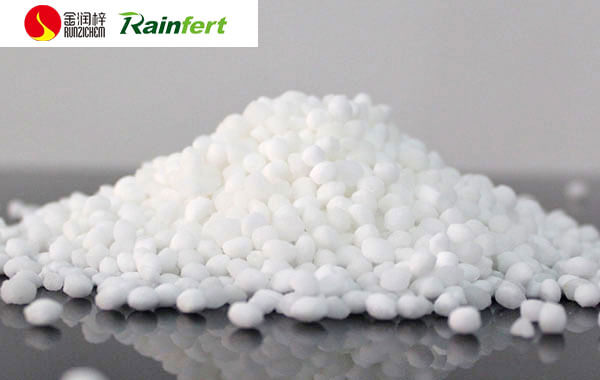
Granular Trace Elements Fertilizer
Chinese Name:Zinc Sulfate HeptahydrateChinese Synonyms:Goslarite, Zinc Vitriol, Zinc Sulfate, Zinc Sulfate HeptahydrateEnglish Name:zinc sulfate heptahydrate; zinc vitriol; white vitriolMolecular Formula:ZnSO₄·7H₂OMolecular Weight:287.54Specific Gravity:1.957CAS No.: 7446-20-0National Standard: HG/T 2326-2005Physical Properties:Relative density: 1.957, melting point: 1000℃. Freely soluble in water (96.5g/100ml at 20℃; 663.6g/100ml at 100℃), slightly soluble in ethanol and glycerol.
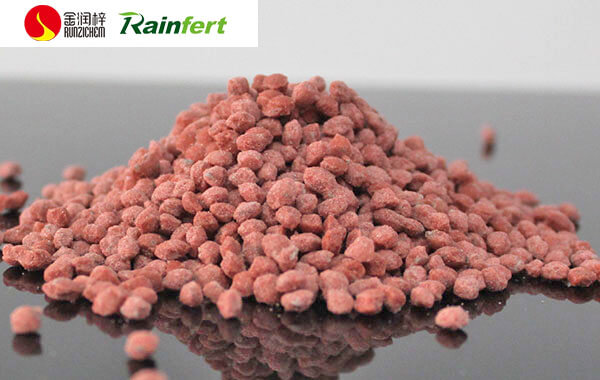
Granular Trace Elements Fertilizer
Chinese Name:Zinc Sulfate HeptahydrateChinese Synonyms:Goslarite, Zinc Vitriol, Zinc Sulfate, Zinc Sulfate HeptahydrateEnglish Name:zinc sulfate heptahydrate; zinc vitriol; white vitriolMolecular Formula:ZnSO₄·7H₂OMolecular Weight:287.54Specific Gravity:1.957CAS No.: 7446-20-0National Standard: HG/T 2326-2005Physical Properties:Relative density: 1.957, melting point: 1000℃. Freely soluble in water (96.5g/100ml at 20℃; 663.6g/100ml at 100℃), slightly soluble in ethanol and glycerol.
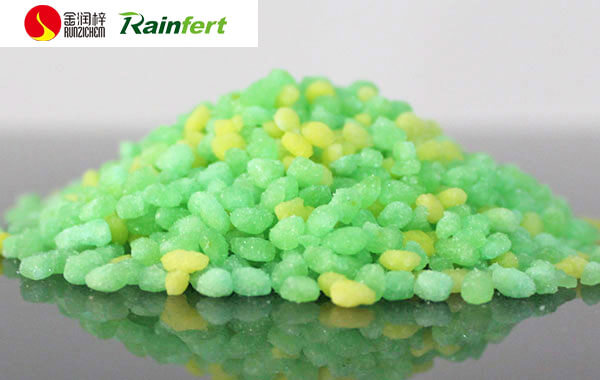
Granular Trace Elements Fertilizer
Chinese Name:Zinc Sulfate HeptahydrateChinese Synonyms:Goslarite, Zinc Vitriol, Zinc Sulfate, Zinc Sulfate HeptahydrateEnglish Name:zinc sulfate heptahydrate; zinc vitriol; white vitriolMolecular Formula:ZnSO₄·7H₂OMolecular Weight:287.54Specific Gravity:1.957CAS No.: 7446-20-0National Standard: HG/T 2326-2005Physical Properties:Relative density: 1.957, melting point: 1000℃. Freely soluble in water (96.5g/100ml at 20℃; 663.6g/100ml at 100℃), slightly soluble in ethanol and glycerin.
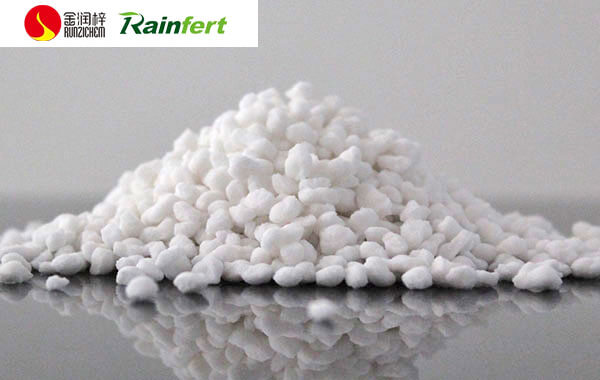
Granular Trace Elements Fertilizer
Chinese Name of Chemical: Ammonium SulfateEnglish Name of Chemical: ammonium sulfate Synonyms: Ammonium Sulphate Chemical Formula: (NH₄)₂SO₄ Molecular Weight: 132.16 Hazardous Ingredient CAS No. Ammonium Sulfate 7783-20-2 Applications: Ammonium sulfate is mainly used as a fertilizer, suitable for various soils and crops. 2. It can also be used in textiles, leather, pharmaceuticals and other fields. 3. Food-grade ammonium sulfate is produced by dissolving industrial-grade ammonium sulfate in distilled water, purifying the solution with arsenic and heavy metal removers, followed by filtration, evaporation, concentration, cooling crystallization, centrifugal separation and drying. It is used as a food additive, serving as a dough conditioner and yeast nutrient. 4. A common salt for salting-out in biochemistry; it can be used to preliminarily separate and purify proteins from upstream fermentation products via salting-out.
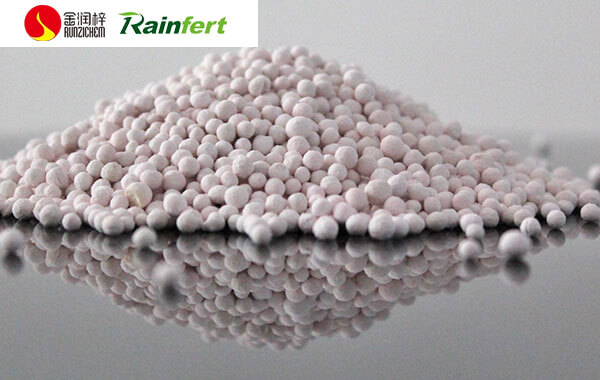
Granular Trace Elements Fertilizer
Chinese Name:Zinc Sulfate Monohydrate Granules English Name:zinc sulfate Chinese Synonyms:Goslarite, Zinc Vitriol Chemical Formula:ZnSO₄ Molecular Formula:ZnSO₄·7H₂O Appearance:White granules, odorless, with astringent taste. Control Class:Uncontrolled Packaging, Storage & Transportation:Woven bag with plastic inner lining. Net weight: 25kg, 50kg, 1000kg, 1250kg or as per customer requirements. Store in dry warehouse, away from fire and heat sources. Cover during transportation to avoid sun exposure, rain and moisture. Application:In agriculture, it can be used to prevent diseases in fruit tree nurseries. It is also a common trace element fertilizer for supplementing zinc in crops, applicable as basal fertilizer, foliar fertilizer, etc.
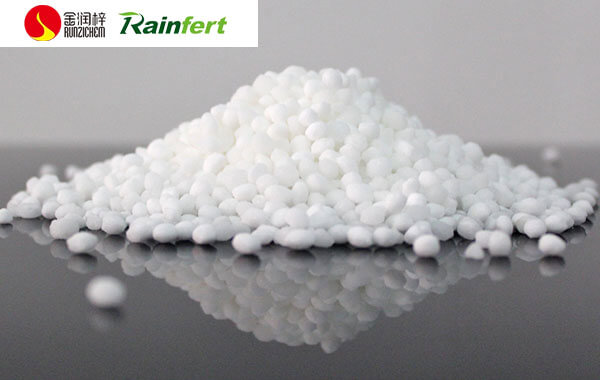
Granular Trace Elements Fertilizer
Chinese Name: Zinc Sulfate Monohydrate GranulesEnglish Name: zinc sulfateChinese Synonyms: Goslarite, Zinc VitriolChemical Formula: ZnSO₄Molecular Formula: ZnSO₄·7H₂OAppearance: White granules, odorless, astringent taste.Control Class: UncontrolledPackaging, Storage and Transportation: Woven bag with plastic inner lining.Net weight per bag: 25kg, 50kg, 1000kg, 1250kg or as per customer requirements.Store in a dry warehouse, away from fire and heat sources. Cover during transportation to avoid sun exposure, rain and moisture.Application: In agriculture, it can be used to prevent diseases in fruit tree nurseries. It is also a common fertilizer for supplementing zinc trace elements for crops, and can be used as base fertilizer, foliar fertilizer, etc.
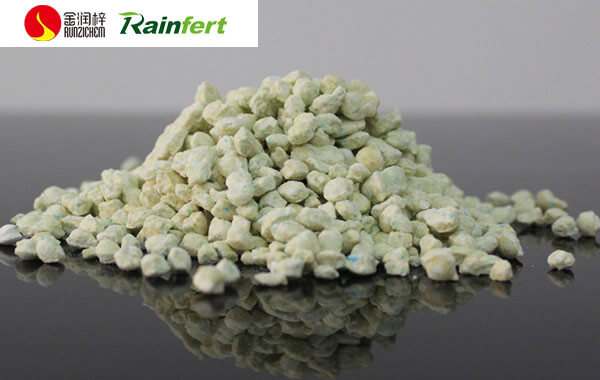
Granular Trace Elements Fertilizer
Mixed Trace ElementsProduct:Mixed Trace ElementsGrade:Agricultural GradeContent:98%Specification:25Kg / 50kgCAS:Mixed Trace FertilizerQuality Standard:National Standard Functions:Resists diseases caused by continuous cropping, effectively prevents nutrient deficiency, supplements secondary and trace elements for crops, ensures comprehensive and balanced nutrition, eliminates nutrient bottlenecks, promotes strong seedlings, improves fruit quality and increases yield.Application & Dosage:Basal application and fertigation: 7.5–10 kg per mu for vegetables; 2.5–5 kg per mu for grain, cotton and oil crops; 0.5–1.25 kg per plant for fruit trees. Foliar spray: 50–100 g with 15 kg water. Hole application: 20–30 g per fruit tree.
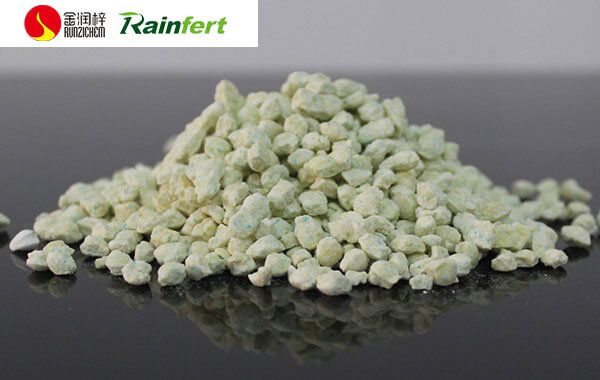
Granular Trace Elements Fertilizer
Mixed Trace ElementsProduct:Mixed Trace ElementsGrade:Agricultural GradeContent:98%Specification:25Kg / 50kgCAS:Mixed Trace FertilizerQuality Standard:National StandardFunctions:Resists diseases caused by continuous cropping, effectively prevents nutrient deficiency, supplements medium and trace elements for crops, ensures comprehensive and balanced nutrition, eliminates nutrient bottlenecks, promotes strong seedlings, improves fruit quality and increases yield.Application & Dosage:Basal application and fertigation: 7.5–10 kg per mu for vegetables; 2.5–5 kg per mu for grain, cotton and oil crops; 0.5–1.25 kg per plant for fruit trees. Foliar spray: 50–100 g mixed with 15 kg water. Hole application: 20–30 g per fruit tree.
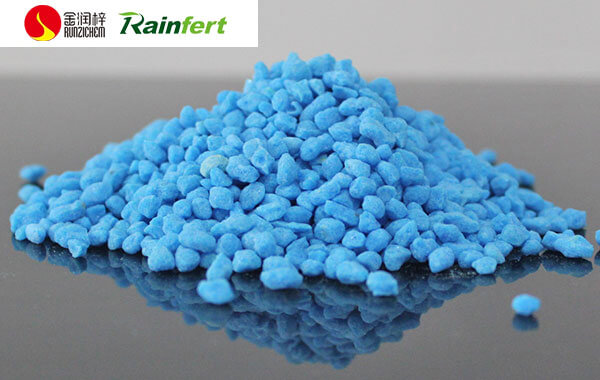
Granular Trace Elements Fertilizer
Mixed Trace ElementsProduct:Mixed Trace ElementsGrade:Agricultural GradePurity:98%Specification:25Kg / 50kgCAS:Mixed Trace FertilizerQuality Standard:National Standard Functions:Resists diseases caused by continuous cropping, effectively prevents nutrient deficiency, supplements medium and trace elements for crops, ensures balanced and complete nutrition, eliminates nutrient deficiencies, promotes strong seedlings and high-quality fruits, and increases yield.Application & Dosage:Basal application and fertigation. 7.5–10 kg per mu for vegetables; 2.5–5 kg per mu for grain, cotton and oil crops; 0.5–1.25 kg per plant for fruit trees. Foliar spray: 50–100 g with 15 kg water. Hole application: 20–30 g per fruit tree.
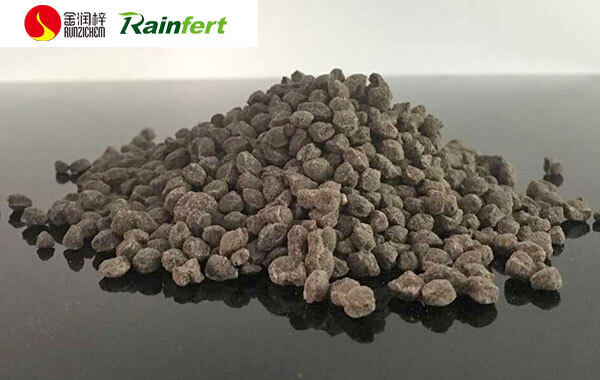
Granular Trace Elements Fertilizer
Mixed Trace ElementsProduct: Mixed Trace ElementsUsage Grade: Agricultural GradePurity: 98%Model: 25Kg / 50kgCAS: Mixed Trace FertilizerExecutive Quality Standard: National Standard Functions: Resists continuous cropping diseases, highly prevents nutrient deficiency symptoms, supplements medium and trace elements for crops, ensures complete crop nutrition without nutrient "shortcomings", provides full nutrition, resulting in strong seedlings, good fruits and increased yield.Applicable Crops & Application Methods: Basal application, fertigation. 7.5–10 kg per mu for vegetables; 2.5–5 kg per mu for grain, cotton and oil crops; 0.5–1.25 kg per plant for fruit trees. Foliar spray: 50–100 g mixed with 15 kg water. Hole application: 20–30 g per fruit tree.
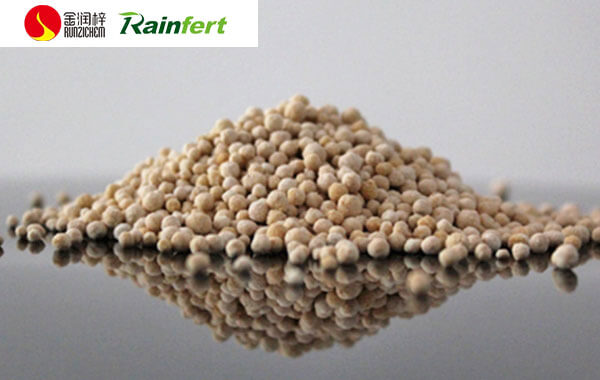
Granular Trace Elements Fertilizer
Magnesium Sulfate MonohydratePhysical and Chemical Indexes:Characteristics: Colorless columnar or acicular fine crystals, cool, salty and bitter taste, odorless, density 2.65 g/cm³. Stable in humid air below 48℃, readily efflorescent in warm air. Very soluble in water (1198%, 20℃) and glycerin, aqueous solution is neutral, slightly soluble in ethanol.Applications: Nutrient supplement, curing agent, flavor enhancer, processing aid. Additive for brewing, supplements magnesium in brewing water, serves as nutrient source during fermentation to improve fermentation capacity; adjusts water hardness.Packing: Plastic woven bag with polyethylene inner bag, net weight 25 kg or 50 kg per bag.Storage and Transportation: Should be stored in a dry, ventilated and clean warehouse, protected from rain and moisture, and stored separately from toxic substances.
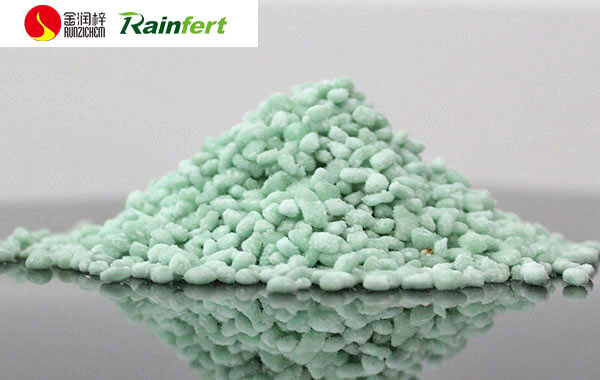
Granular Trace Elements Fertilizer
Chinese Name: Ferrous SulfateChinese Synonyms: Green Vitriol, Iron VitriolpH: 3CAS No.: 7782-63-0Molecular Formula: FeSO4·7H2OEnglish Name: Ferrous SulfateMelting Point (℃): 64 (loses 3 molecules of crystal water)Relative Density (water=1): 1.897 (15℃)Solubility: Soluble in water and glycerol, insoluble in ethanol.Symptoms of Iron Deficiency: Young leaves show chlorosis while old leaves remain normal. Leaf mesophyll turns yellow but veins stay green, showing netted venation. In severe cases, the whole leaf withers, turns white, or falls off. Fruit trees and ornamental plants on calcareous soils in northern regions are prone to chlorosis. Dosage: (1) Foliar spray: Dilute with water at 800–1200 times, spray evenly on leaves, apply 2–3 times at intervals of 7–10 days. (2) Soil basal or topdressing: 1000–3000 g per mu for general crops, applied mixed with organic fertilizer. (3) Injection method: For fruit trees, use 10 mL of 0.1% ferrous sulfate solution (1000‑fold dilution). Insert the needle into the trunk, hang the infusion bottle on the tree for slow absorption. This method acts quickly, with visible effects in 3 days. (4) Direct soil application may lead to inactivation by conversion to high‑valent iron compounds. Therefore, mixing ferrous sulfate with 10–20 times organic fertilizer as basal fertilizer gives better results. Foliar application of 0.2%–0.5% aqueous solution is more effective than soil application. The safe concentration of ferrous sulfate is 0.2%–0.3%. Application: Agricultural Grade Adjusts soil pH, promotes chlorophyll formation (also known as iron fertilizer), prevents chlorosis in flowers and trees caused by iron deficiency. Essential for acid‑loving plants, especially cycads. Used as agricultural pesticide to control wheat smut, apple and pear scab, and fruit tree canker; also used as fertilizer to remove moss and lichen from tree trunks. Packaging, Storage and Transportation: Woven bag with plastic inner liner. Net weight: 25kg, 50kg, 1000kg, 1250kg or as per customer requirements. Store in dry warehouse, away from fire and heat sources. Cover during transportation to avoid sun exposure, rain and moisture.
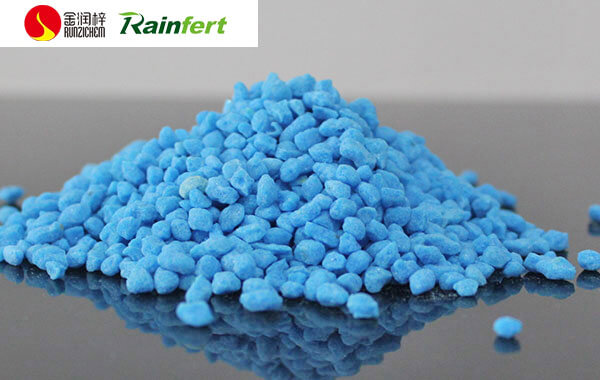
Granular Trace Elements Fertilizer
Copper sulfate appears as sky-blue or slightly yellowish granular crystals. Its aqueous solution is acidic. It is a protective inorganic fungicide, relatively safe for humans and livestock. Its chemical formula is CuSO4. It usually exists as pentahydrate CuSO4·5H2O, commonly known as blue vitriol; it is a blue rhombic crystal with a density of 2.284 g/cm3. Copper sulfate is an important raw material for preparing other copper compounds. Mixed with lime milk, it can form “Bordeaux mixture” used as an insecticide. Copper sulfate is also used as an electrolyte in the electrolytic refining of copper.Functions and Applications of Copper Sulfate(1) In inorganic industry, used for manufacturing other copper salts such as cuprous chloride, cupric chloride, copper pyrophosphate, cuprous oxide, copper acetate, copper carbonate, etc.(2) In dyestuff and pigment industry, used for producing copper-containing monoazo dyes such as reactive brilliant blue, reactive violet, etc.(3) In organic industry, used as a catalyst for synthesizing intermediates of fragrances and dyestuffs, and as a polymerization inhibitor for methyl methacrylate.(4) In coating industry, used as a fungicide for producing antifouling paints for ship bottoms; in electroplating industry, used as the main salt and copper ion additive for bright acid copper plating.(5) In printing and dyeing industry, used as a mordant and oxygenating agent for fine dyeing of fabrics.(6) Used as a fungicide in agriculture.(7) In breeding industry, used as the main raw material of trace element copper for feed additives.(8) Food-grade copper sulfate can be used as a chelating agent and clarifier in the production of preserved eggs and wine.(9) In biology, used to prepare Fehling’s reagent for detecting reducing sugars and Solution B of Biuret reagent for identifying proteins, usually prepared fresh before use.(10) Used for preparing Bordeaux mixture.
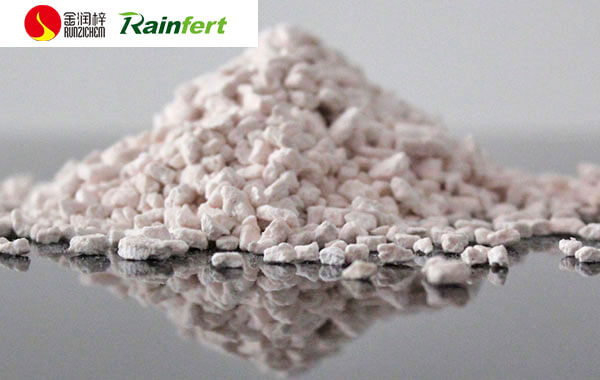
Granular Trace Elements Fertilizer
Feed Grade Manganese SulfateSynonym: Manganese(II) SulfateCAS No.: 10034-96-5Chemical Formula: MnSO4Molecular Formula: H2MnO5SEnglish Name: Manganese SulfateDensity (g/mL, 25℃): 2.95Melting Point (℃): 700Boiling Point (℃, atmospheric pressure): 850Physical and Chemical Properties: Manganese sulfate monohydrate appears as pale pink fine monoclinic crystals, with a density of 2.95 g/mL (25℃), melting point 700℃, boiling point 850℃. It is unstable under normal temperature and pressure. It is freely soluble in water with solubility of 5–10 g/100 mL at 21℃, and insoluble in ethanol. It begins to lose crystal water above 200℃, loses most crystal water at about 280℃, and forms anhydrous molten salt at 700℃. It starts to decompose at 850℃, releasing sulfur trioxide, sulfur dioxide or oxygen depending on conditions, leaving black insoluble manganese tetroxide, which decomposes completely at about 1150℃.Dosage (Feed Grade):Cattle: 20–40 mg of manganese sulfate powder per kg of diet; dairy cows generally require more than beef cattle.Sheep: 20–50 mg of manganese sulfate powder per kg of diet.Chickens: Requirements vary by breed. 50 mg per kg for chickens 0–20 weeks old; 33 mg per kg for chickens over 20 weeks old; 8 mg per kg for hens and laying hens.Ducks: Require relatively high manganese; 100–200 mg per kg of diet.Dogs: 35 mg per kg of diet.Cats: 20–40 mg per kg of diet.Pigs: 20–30 mg per kg of diet.Usage: Feed Grade1. Used as feed additive in animal husbandry and feed industry to promote sound growth and fattening of livestock and poultry.2. Adding manganese sulfate monohydrate powder to poultry feed can effectively prevent a series of diseases caused by manganese deficiency. Packaging, Storage and Transportation: Woven bag outer packaging with plastic bag inner lining. Net weight per bag: 25kg, 50kg, 1000kg, 1250kg or as per customer requirements. Store in dry warehouses, away from fire and heat sources. Cover during transportation to avoid sun exposure, rain and moisture.
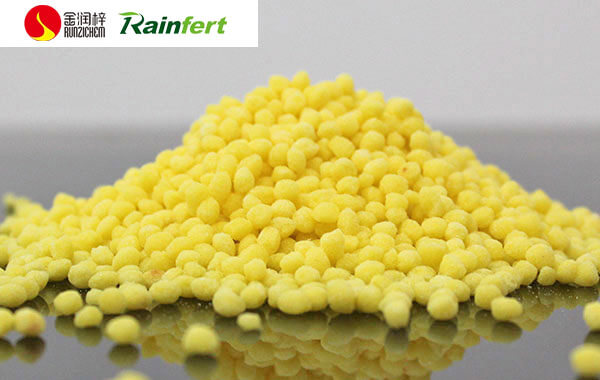
Granular Trace Elements Fertilizer
Chinese Name:Zinc Sulfate HeptahydrateChinese Synonyms:Goslarite, Zinc Vitriol, Zinc Sulfate, Zinc Sulfate HeptahydrateEnglish Name:zinc sulfate heptahydrate; zinc vitriol; white vitriolMolecular Formula:ZnSO₄·7H₂OMolecular Weight:287.54Specific Gravity:1.957CAS No: 7446-20-0National Standard HG/T 2326-2005Physical Properties:Relative density 1.957, melting point 1000℃. Freely soluble in water (96.5g/100ml at 20℃; 663.6g/100ml at 100℃), slightly soluble in ethanol and glycerin.
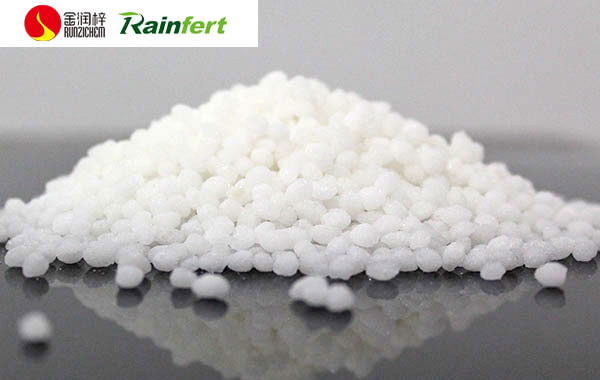
Granular Trace Elements Fertilizer
Chinese Name:Zinc Sulfate HeptahydrateChinese Synonyms:Goslarite, Zinc Vitriol, Zinc Sulfate, Zinc Sulfate HeptahydrateEnglish Name:zinc sulfate heptahydrate; zinc vitriol; white vitriolMolecular Formula:ZnSO4·7H2OMolecular Weight:287.54Specific Gravity:1.957CAS No: 7446-20-0National Standard HG/T 2326-2005Physical Properties:Relative density 1.957, melting point 1000℃. Freely soluble in water (96.5g/100ml at 20℃; 663.6g/100ml at 100℃), slightly soluble in ethanol and glycerin.
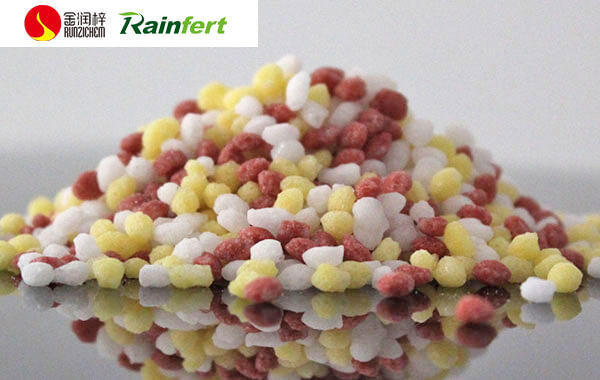
Granular Trace Elements Fertilizer
Chinese Name:Zinc Sulfate HeptahydrateChinese Synonyms:Goslarite, Zinc Vitriol, Zinc Sulfate, Zinc Sulfate HeptahydrateEnglish Name:zinc sulfate heptahydratr;zinc viteiol ;white bitriolMolecular Formula:ZnSO4·7H2OMolecular Weight:287.54Specific Gravity:1.957CAS No; 7446-20-0National Standard HG/T 2326-2005Physical Properties:Relative density 1.957, melting point 1000℃. Freely soluble in water (96.5g/100ml at 20℃; 663.6g/100ml at 100℃), slightly soluble in ethanol and glycerol.
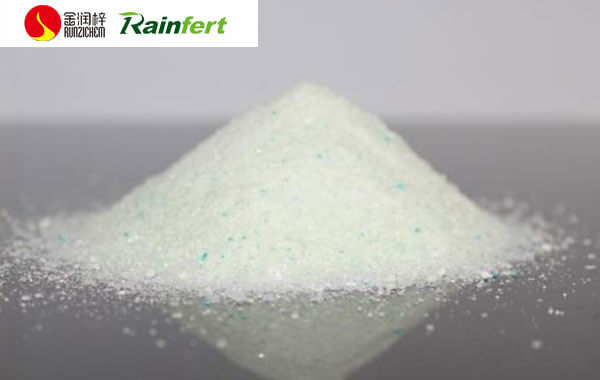
In-organic Trace Elements Fertilizer
PowderGranuleComposition: B + Zn + Fe + Cu + Mn + Mo ≥ 13%Physical and Chemical Properties: Light green crystalline powder, freely soluble in water. Aqueous solution is slightly acidic; pH value of 100‑fold dilution is 5–6. Stable under acidic and neutral conditions.Category: Agricultural Chemical Fertilizer Feed AdditiveToxicity: Non-toxicStorage Conditions: Dry, cool, well-ventilated, and protected from lightFunctions & Effects:Jinwei No. 1 is a broad‑spectrum product that supplements plants with essential trace element nutrition. Boron, zinc, iron, copper, manganese, and molybdenum are vital micronutrients for plants, effectively replenishing deficiencies to ensure healthy growth. It exhibits physiological effects characteristic of plant growth regulators, such as auxins, gibberellins, cytokinins, and zeatins. It promotes root and seedling development, stimulates overall growth, enhances chlorophyll synthesis in leaves, encourages flowering, improves fruit coloration and early ripening, upgrades quality, and boosts plant stress resistance. Jinwei No. 1 is suitable for most agricultural and cash crops, and can be applied as basal fertilizer, through fertigation, or root irrigation. It complies with registration standards for water‑soluble trace element fertilizers.Application Scope: Vegetables, fruit trees, cash crops, field crops, Chinese medicinal herbs, etc.Application & Dosage:Fruit Trees: 8–20 kg Basal application, fertigation, root irrigation; 2–3 times per year.Field Crops: 5–10 kg Fertigation, root irrigation; 1–2 times per year.Melons & Vegetables: 5–10 kg Basal application, fertigation, root irrigation; 3–5 times per year.
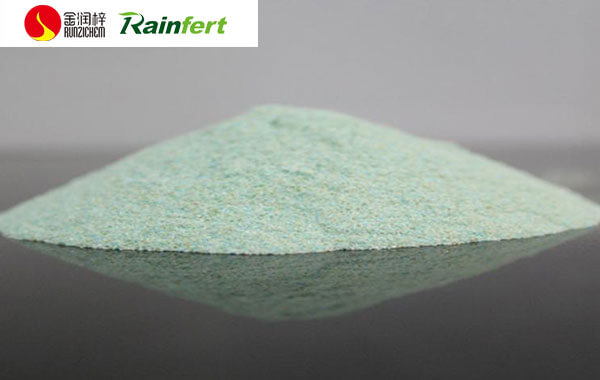
In-organic Trace Elements Fertilizer
Composition:B + Zn + Fe + Cu + Mn + Mo ≥ 10% Physical and Chemical Properties:White-green crystalline powder, freely soluble in water. Aqueous solution is slightly acidic; pH value of 100‑fold dilution is 5–6. Stable under acidic and neutral conditions. Category:Agricultural Chemical Fertilizer Feed Additive Toxicity:Non-toxic Storage Conditions:Dry, cool, well-ventilated, and protected from light Functions & Effects: This product is a fully water-soluble trace element fertilizer rich in iron, boron, zinc, molybdenum and other essential micronutrients. After application, it promotes vigorous root growth, strengthens seedlings, thickens stems, keeps leaves green and healthy, stimulates flower bud differentiation, enhances fruit development, and improves both quality and yield. It can be applied via fertigation, broadcasting or spraying.It effectively relieves common physiological disorders caused by trace element deficiency, such as yellowing, curling and small leaves, stunted seedlings, fruit cracking, shrinking, small and malformed fruits, curved fruits, and flowering without fruiting. Application Scope:Vegetables, fruit trees, cash crops, field crops, Chinese medicinal herbs, etc. Application & Dosage: General dilution: 1500–2000 times (330–450 g per hectare) for foliar spray. Registered crops: potato, chili pepper. Foliar Spray:Spray at seedling stage, after transplanting survival, before and after flowering, fruit swelling stage and filling stage. Mix 20–30 g with 15–20 kg water and spray on both sides of leaves. Apply 1–3 times at intervals of 7–15 days. Fertigation & Drip Irrigation: Dilute 1000–1500 times. Basal, Furrow, Hole Application & Topdressing: 500–1000 g per mu. Notes: Spray on cloudy days or after 5 PM on sunny days. Re-spray if it rains within 6 hours after application. Do not arbitrarily increase the concentration due to its high nutrient content. Keep away from moisture and rain during storage and transportation. Store in a cool and dry place. Do not store or transport with food, grain, feed or similar items. Special Note:This product is a fully water-soluble trace element fertilizer. When soil or crops are deficient in micronutrients, it can be used together with compound fertilizers or macro-element water-soluble fertilizers as basal or topdressing (basal application, furrow application, hole application, fertigation). Dosage may vary according to soil conditions and crop deficiency status.
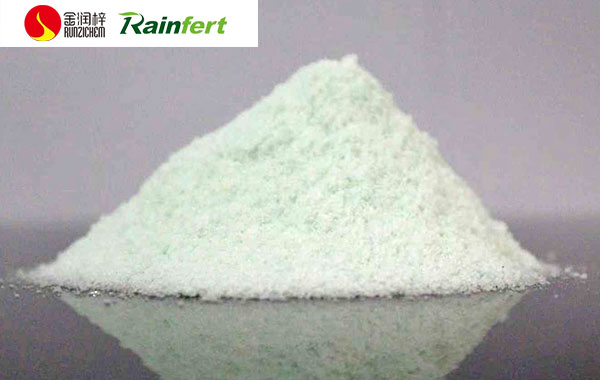
In-organic Trace Elements Fertilizer
Technical Indicators:Fe+Mn+Zn+B ≥ 10.0% Features:Enhanced Root System, Balanced Nutrient Absorption IntroductionThe core function of this product is to promote vigorous root development, increasing effective absorbing roots by 5–60 times. It regulates rhizosphere micro-ecological nutrient balance, secretes active substances, improves the utilization efficiency of nitrogen, phosphorus and potassium, and supplements trace elements such as zinc, boron, manganese and iron. It solves the problem of balanced nutrient absorption during crop growth, achieving high quality, high yield and high efficiency. Product FunctionsRapidly absorbed by crops within 6 hours after application and takes effect in 24 hours. This product activates crop immunity immediately, regulates balanced absorption of NPK, secondary elements, trace elements and organic matter in soil, promotes rhizosphere microbial balance and improves the rhizosphere environment. It quickly relieves soil compaction and enhances water and nutrient retention capacity.It supports more rooting, more flowering and more fruiting; resists continuous cropping, diseases, cold, drought, waterlogging and premature aging. It expands root absorption area by 5–60 times, promotes fruit coloring and swelling, extends the harvest period, prevents premature senescence, reduces deformed fruits, seedling death and rot, shortens the seedling recovery period, improves survival rate and fruit quality, with significant yield increase effect. Applicable CropsFruit trees in northern and southern China: apple, grape, peach, pear, jujube, citrus, etc.; field crops: corn, wheat, rice, cotton; melons, vegetables, flowers, tobacco, Chinese medicinal herbs and other crops. Application & Dosage Fruit Trees8–20 kg per muBasal application, fertigation, hole application & root drench. Apply 2–3 times per year.Field Crops4 kg per muFertigation & root drench. Apply 1–2 times per year.Melons & Vegetables4–8 kg per muBasal application, fertigation & root drench. Apply 3–5 times per year. Notes Use at recommended dosage. Must contact soil; foliar spray is prohibited. Can be mixed with acidic insecticides and fungicides; test compatibility before use. If swallowed accidentally, drink plenty of water and induce vomiting. If splashed into eyes, rinse thoroughly with water. Store in a cool, dry and ventilated place. Avoid direct sunlight and moisture. Caking may occur after long storage but dissolves quickly in water without affecting efficiency. Shelf Life:3 years
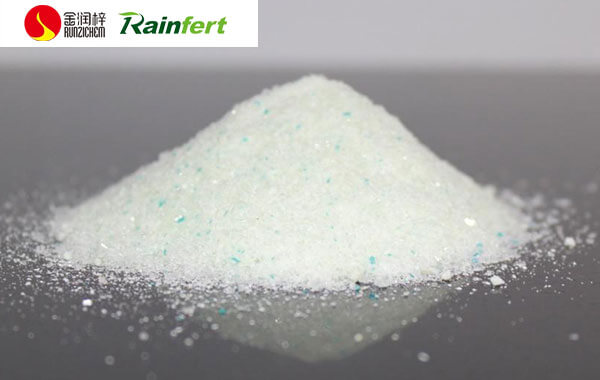
In-organic Trace Elements Fertilizer
Composition:Boron (B) + Zinc (Zn) + Iron (Fe) + Copper (Cu) + Manganese (Mn) + Molybdenum (Mo) ≥ 11%Physical and Chemical Properties:Light green crystalline powder, freely soluble in water. Aqueous solution is slightly acidic; pH value of 100-fold dilution is 5-6. Stable under acidic and neutral conditions.Category:Agricultural Chemical Fertilizer, Feed AdditiveToxicity:Non-toxicFunctions & Features:Expands leaf area, enhances photosynthesisStorage Conditions:Dry, cool, ventilated, and protected from light IntroductionThe core function of this product is to expand leaf area, enhance plant photosynthesis, effectively increase chlorophyll content in plant leaves, and supplement trace elements such as zinc, boron, manganese, iron, copper, and molybdenum.Jinwei No. 4 is a green-leaf type product that supplies trace element nutrition to plants. Boron, zinc, iron, copper, manganese, and molybdenum are essential trace elements for plants, which can effectively replenish missing micronutrients and ensure healthy plant growth. Its physiological effects resemble those of a plant growth regulator: it promotes root and seedling development, stimulates overall growth, enhances chlorophyll synthesis, improves fruit coloring and quality, prevents and alleviates issues such as small leaves, yellow leaves, and chlorosis, and strengthens the plant's stress resistance.Jinwei No. 4 is suitable for addressing chlorosis (yellowing) in most agricultural and cash crops. It can be applied as basal fertilizer, through fertigation, or by root drenching. It complies with the registration standards for water-soluble fertilizers containing micronutrients.Application Scope:Vegetables, fruit trees, cash crops, field crops, Chinese medicinal herbs, etc. Application & Dosage:Fruit Trees:8-20 kg per mu. Apply as basal fertilizer, through fertigation, or root drenching. 2-3 times per year.Field Crops:5-10 kg per mu. Apply through fertigation or root drenching. 1-2 times per year.Melons & Vegetables:5-10 kg per mu. Apply as basal fertilizer, through fertigation, or root drenching. 3-5 times per year.
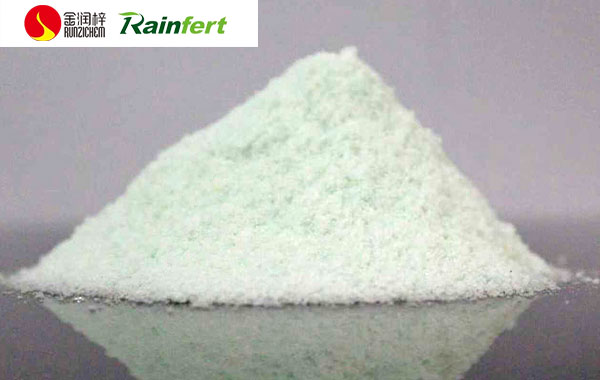
In-organic Trace Elements Fertilizer
Introduction to Jinwei No. 5 Trace Element Water-Soluble Fertilizer(For Strip Relay Intercropping of Soybean and Maize)Technical Indicators: Fe+Mo+Zn+B ≥ 10.0%Iron (Fe): 1%Molybdenum (Mo): 1%Zinc (Zn): 5%Boron (B): 3% Features: Root Regulation, Balanced Absorption, Nitrogen Fixation & Yield IncreaseOverviewThe core function of this product is to regulate and promote root development, balance rhizosphere micro-ecological nutrition, secrete active substances, improve the effective utilization rate of nitrogen, phosphorus and potassium, supplement trace elements such as zinc, boron, molybdenum and iron, solve the problem of balanced nutrient absorption during crop growth, and achieve high quality, high yield and high efficiency.It can quickly activate crop immunity, regulate the balanced absorption of nitrogen, phosphorus, potassium, secondary elements, trace elements and organic matter in soil, promote the formation of soybean rhizobia and root development, and improve the rhizosphere environment. It enhances the ability of rhizobia to fix free nitrogen from the air, promotes the absorption, distribution and transformation of phosphorus by plants, stimulates flowering and podding, increases grain number and grain weight, thus raising yield and improving quality. Applicable CropSoybeanApplication & DosageApply via fertigation, drip irrigation, broadcasting or aerial application. Better effect when used together with potassium dihydrogen phosphate.Dosage: 800–1000 grams per mu. Apply 1–2 times per season; can be used in alternate years. Notes1. Use at the recommended dosage.2. Can be mixed with acidic insecticides and fungicides; test compatibility before use.3. If swallowed accidentally, drink plenty of water and induce vomiting. If splashed into eyes, rinse thoroughly with water.4. Store in a cool, dry and ventilated place. Keep away from direct sunlight and moisture. Caking may occur after long-term storage, but it dissolves in water immediately without affecting fertilizer efficiency.Shelf Life: 3 years
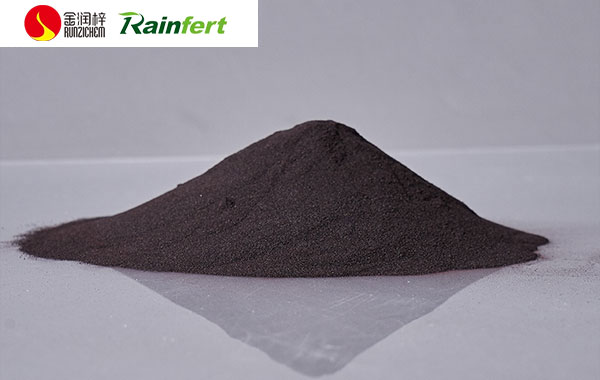
Chelated Trace Elements Fertilizer
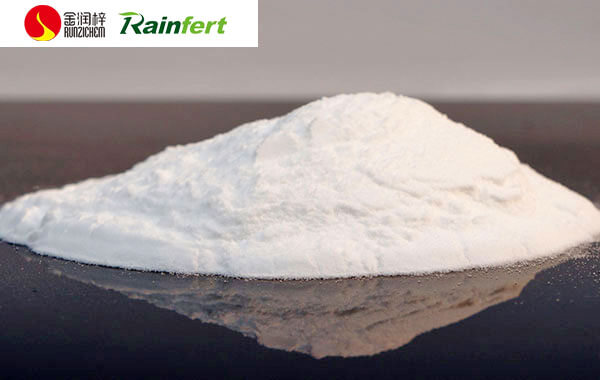
Chemical Name:Sodium Iron Ethylenediamine-di(o-hydroxyphenylacetate) (Iron Ethylenediamine-di-o-carboxymethylphenol)Trade Name:EDDHA-Fe 6%; EDDHA Iron 6%; EDDHA-FeNaMolecular Formula:C₁₈H₁₆N₂O₆FeNaMolecular Weight:435.2Appearance:Reddish brown to black fine powder, completely soluble in waterIron Content: 5.8–6.5%pH (1% aqueous solution): 7–9Heavy Metals (Pb): ≤ 30 ppmOrtho-Isomer Content: 4.8%Appearance: Dark red crystalline solidApplication & Dosage:1. Foliar Spray: Dilute 3000–3500 times for knapsack sprayers; dilute 6000 times for large motorized spray guns.2. Drip Irrigation & Fertigation: Apply regularly with irrigation water. Adjust frequency according to iron deficiency severity. Dosage: 800–1000 g per mu.3. Soil Drench & Root Application: Dissolve product in water first. Dig 6–8 trenches or a continuous groove 15–20 cm deep around the tree canopy, pour the solution evenly, then cover with soil.
Chelated Trace Elements Fertilizer
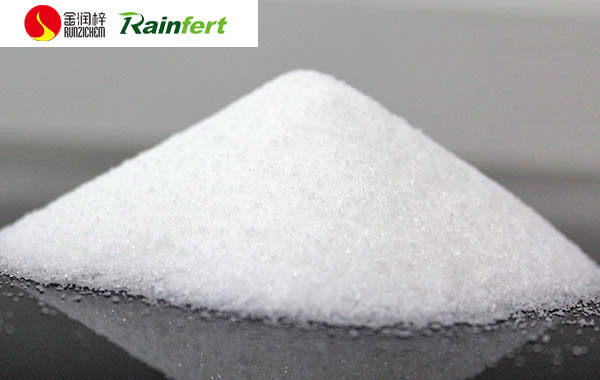
EDTA-Calcium Salt Foliar Fertilizer for Fruit TreesChemical Name:Calcium Disodium EDTAEnglish Name:Chelated CalciumMolecular Formula:C₁₀H₁₂N₂O₈CaNa₂·2H₂OMolecular Weight:410.3Appearance:White powderCAS:62-33-9Calcium Content:≥10.0±0.5%pH Value (1% aqueous solution):6.5–7.5Heavy Metals (as Pb):≤10 mg/kgPacking:25 kg package; 1 kg small package.Main Properties:Ca-10% is used as a sequestering agent. It is a stable water-soluble metal chelate that can chelate polyvalent iron ions, forming a more stable chelate through calcium‑iron exchange.Application Scope:Used as a trace element in agriculture, and as a colorant and food additive in the food industry. In fertilizer production, it is widely used as an additive for foliar fertilizers, flush fertilizers, drip irrigation fertilizers, various trace element fertilizers, organic fertilizers and compound fertilizers. It is suitable for foliar spray, irrigation application, drip irrigation, basal application, topdressing and soilless cultivation.Welcome to contact us for consultation and cooperation: 18554301723
Chelated Trace Elements Fertilizer
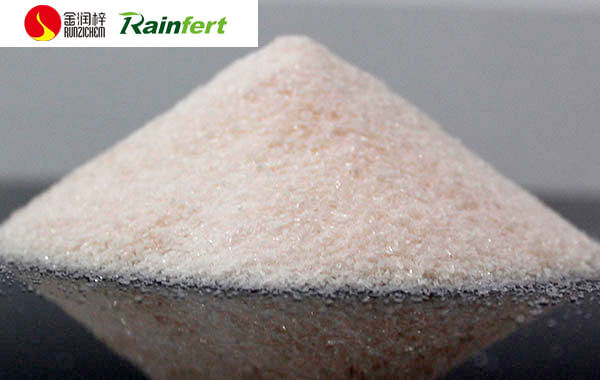
Magnesium SaltChemical Name:Magnesium Disodium EDTAMolecular Formula:C₁₀H₁₂N₂O₈MgNa₂Molecular Weight:358.5Appearance:White crystalline powderMagnesium Content:≥6%pH Value (1% aqueous solution):6.0–7.0Packing:25kg plastic woven bagStorage:Store in a cool and dry place. Reseal tightly after opening.Application:Used as a trace element fertilizer in agriculture, a decolorizing agent in photography, an additive in food industry, and a catalyst in industry. In fertilizer production, it can be widely used as an additive for foliar fertilizers, flush fertilizers, drip irrigation fertilizers, water-soluble fertilizers, organic fertilizers and compound fertilizers. It is suitable for foliar spray, irrigation application, drip irrigation and soilless cultivation.
Chelated Trace Elements Fertilizer
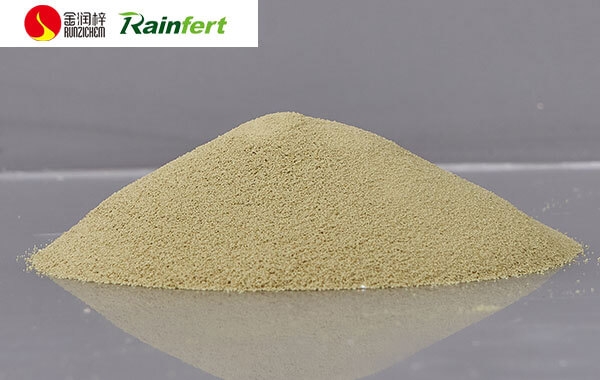
Chelated Manganese: Manganese content 13%, white or slightly reddish powder (100% water-soluble). Used as a trace element in agriculture.Chelated manganese acts as a catalyst in chlorophyll synthesis. Manganese is present in plant chloroplasts and promotes seed germination and seedling growth.Manganese deficiency affects crop photosynthesis, characterized by interveinal chlorosis and yellowing of leaves, with brown spots that gradually spread over the entire leaf,turning leaves reddish-gray and causing leaf curling.
Chelated Trace Elements Fertilizer
Chelated Trace Elements Fertilizer
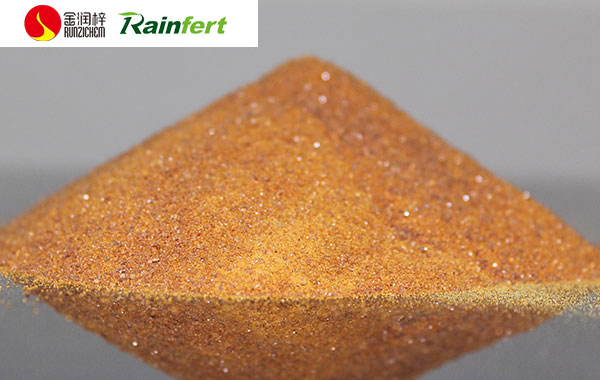
Iron SaltMolecular Formula:C₁₀H₁₂N₂O₈FeNa·3H₂OMolecular Weight:421.1CAS:15708-4-5Appearance:Brownish yellow or light yellow powderChelated Iron Content:≥13.0%pH Value (1% aqueous solution):3.5–5.5Application Scope:1. Provides essential trace elements for drip irrigation, hydroponic solutions, liquid fertilizers and soilless culture media, improving plant resistance to diseases and pests.2. Suitable for fertilization and foliar spray of flowers, fruit trees, field crops and horticultural plants.3. An optimal way to supplement trace elements in different types of soil.Welcome to contact us for consultation and cooperation: 18554301723
Chelated Trace Elements Fertilizer
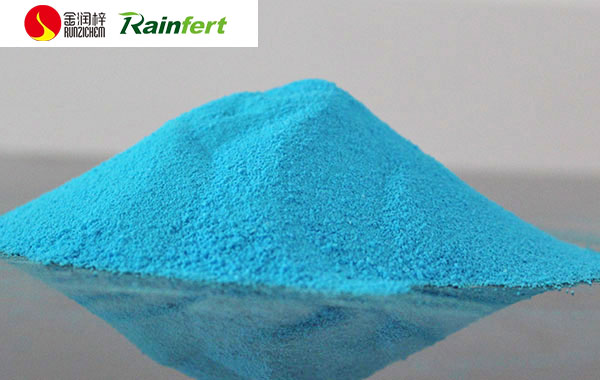
Copper SaltChemical Name: Copper(II) Disodium EthylenediaminetetraacetateEnglish Name: EDTA-Chelated Copper / Copper Disodium EDTAMolecular Formula: C₁₀H₁₂CuN₂O₈Na₂Molecular Weight: 397.7CAS No.: 14025-15-1Appearance: Blue powderCopper Content: 14.5 ± 0.5%pH Value (1% Aqueous Solution): 6.5 ± 0.5Applications:Used as a trace element supplement in agriculture. It effectively addresses copper deficiency in various cultivated crops, treating and preventing physiological disorders and stunted growth caused by insufficient copper in vegetables, fruit trees, flowers, peanuts, soybeans, corn, and other crops, thereby promoting and maintaining healthy plant growth. It is compatible with NPK water-soluble fertilizers.Water Solubility: Approx. 1200 g/L (20°C) / Approx. 1700 g/L (80°C)Bulk Density: Approx. 625 kg/m³Biodegradability: PoorChemical Oxygen Demand (COD): Approx. 560 mg/gPackaging: 25 kg plastic woven bag
Chelated Trace Elements Fertilizer
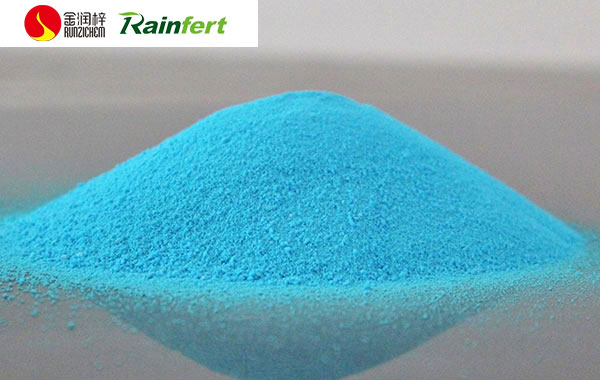
EDTA-Copper SaltChemical Name: Copper(II) Disodium EthylenediaminetetraacetateEnglish Name: EDTA-Chelated Copper / Copper Disodium EDTAMolecular Formula: C₁₀H₁₂CuN₂O₈Na₂Molecular Weight: 397.7CAS No.: 14025-15-1Appearance: Blue powderCopper Content: 14.5 ± 0.5%pH Value (1% Aqueous Solution): 6.5 ± 0.5Applications:Used as a trace element supplement in agriculture. It effectively remedies and prevents copper deficiency in various cultivated crops, addressing physiological disorders and poor growth caused by copper insufficiency in vegetables, fruit trees, flowers, peanuts, soybeans, corn, and other crops, thereby promoting and maintaining healthy plant growth. It can be mixed with NPK water-soluble fertilizers.Water Solubility: Approx. 1200 g/L (20°C) / Approx. 1700 g/L (80°C)Bulk Density: Approx. 625 kg/m³Biodegradability: PoorChemical Oxygen Demand (COD): Approx. 560 mg/gPackaging: 25 kg plastic woven bag
Chelated Trace Elements Fertilizer
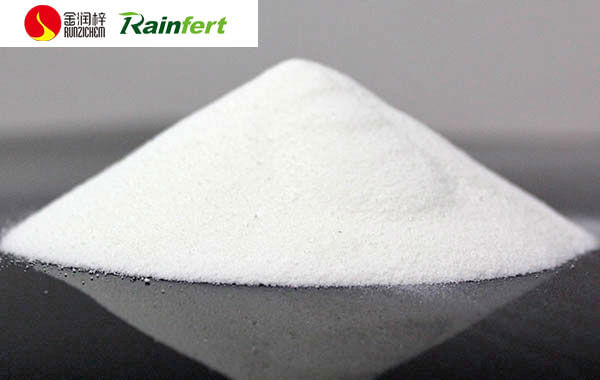
Zinc Sodium Salt (Chelated Zinc)Chemical Name: Zinc Disodium EthylenediaminetetraacetateZnNa₂CAS No.: 14025-21-9Molecular Formula: C₁₀H₁₂N₂O₈ZnNa₂Molecular Weight: 399.6Appearance: White powderpH Value (1% aqueous solution): 6.0 ± 1.0Chelated Zinc Content: ≥ 98% (calculated as C₁₀H₁₂N₂O₈ZnNa₂)Zinc Content: ≥ 15.0 ± 0.5%Main PropertiesEDTA–Zn–15 is a stable water-soluble metal chelate, in which zinc exists in a chelated state.Packaging25 kg plastic woven bagApplicationUsed as a trace element in agriculture.In fertilizer production, it can be widely used as an additive for foliar fertilizers, flush fertilizers, drip irrigation fertilizers, various trace element fertilizers, organic fertilizers and compound fertilizers.It is suitable for foliar spray, irrigation application, drip irrigation and soilless cultivation.
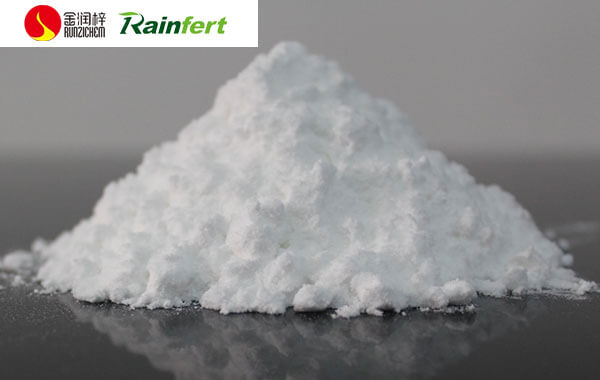
200-500mesh Powder Fertilizer
Our factory has newly developed a 200–500 mesh micropowder series, featuring faster dissolution rate and more effective absorption.Boric Acid 200-500 Mesh MicropowderBorax 200-500 Mesh MicropowderMagnesium Sulfate 200–500 Mesh MicropowderAmmonium Sulfate 200-500 Mesh MicropowderPotassium Sulfate 200-500 Mesh MicropowderManganese Sulfate 200-500 Mesh MicropowderFerrous Sulfate 200-500 Mesh MicropowderCopper Sulfate 200-500 Mesh Micropowder
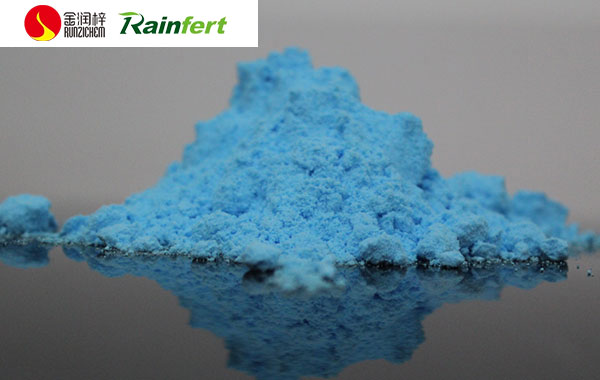
200-500mesh Powder Fertilizer
Micronized Manganese Sulfate, 200–500 MeshAlias: Manganous SulfateChemical Formula: MnSO₄English Name: Manganese SulfateSolubility: Freely soluble in water, insoluble in ethanol.Physical and Chemical PropertiesManganese sulfate monohydrate appears as pale pink, fine, monoclinic crystals.Density: 2.95 g/mL (at 25°C)Melting point: 700°CBoiling point: 850°CUnstable under normal temperature and pressure.Freely soluble in water with solubility of 5–10 g/100 mL at 21°C; insoluble in ethanol.It begins to lose crystal water above 200°C, loses most crystal water at about 280°C, and forms molten anhydrous salt at 700°C.It starts to decompose at 850°C, releasing sulfur trioxide, sulfur dioxide or oxygen depending on conditions, leaving black insoluble manganese tetroxide, which decomposes completely at about 1150°C.ApplicationsIn inorganic industry: Used for electrolytic manganese production and preparation of various manganese salts.In coating industry: Used in manufacturing driers, manganese linoleate, etc., and as a phosphating agent for metal products.Packaging, Storage and TransportationPacked in woven bags with plastic film liners.Net weight: 25kg, 50kg, 1000kg, 1250kg per bag or as per customer requirements.Store in dry warehouses, away from fire and heat sources.Cover during transportation to avoid sun exposure, rain and moisture.Welcome to contact us for business:Tel: +86 18554301723200-500 mesh boric acid (dissolves in water)200-500 mesh borax (soluble in water)200-500 mesh magnesium sulfate (soluble in water)200-500 mesh zinc sulfate (soluble in water)200-500 mesh copper sulfate (soluble in water)200-500 mesh ammonium sulfate (soluble in water)200-500 mesh manganese sulfate (soluble in water)200-500 mesh potassium sulfate (soluble in water)200-500 mesh ferrous sulfate (soluble in water)
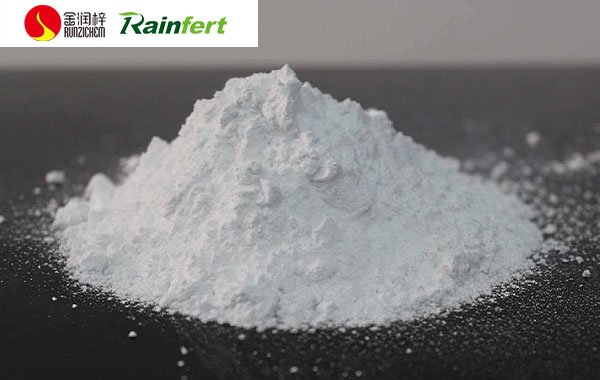
200-500mesh Powder Fertilizer
Chinese Name: Zinc Sulfate Heptahydrate Synonyms: White Vitriol, Zinc Vitriol, Zinc Sulfate, Zinc Sulfate Heptahydrate English Name: Zinc sulfate heptahydrate; Zinc vitriol; White vitriol Molecular Formula: ZnSO₄·7H₂O Molecular Weight: 287.56 Specific Gravity: 1.957 CAS No.: 7446-20-0 National Standard: HG/T 2326-2005 Physical Properties: Relative density 1.957, melting point 1000°C.Freely soluble in water (96.5 g/100 mL at 20°C; 663.6 g/100 mL at 100°C), slightly soluble in ethanol and glycerol. Crops sensitive to zinc deficiency include:corn, rice, sugar beet, soybean, kidney bean, citrus, pear, peach, tomato, etc. Among them, corn and rice are the most sensitive.Application of zinc fertilizer has a significant effect on preventing and controlling zinc-deficiency “white stripe disease” in corn and little leaf disease in fruit trees. Application Methods: Foliar spray: Dilute with water at 1:1000–1:1500, spray evenly on leaves, apply 2–3 times at 10–15 day intervals. Base fertilizer or topdressing: Apply 500–1000 g per mu, mixed evenly with fine soil or farmyard manure. Seed dressing: Use 2–3 g of this product per kilogram of seeds, dissolve in a small amount of water and mix evenly with seeds. Seed soaking: Soak seeds for 8–12 hours in a 0.02–0.05% solution (diluted 2000–5000 times), air-dry before sowing.
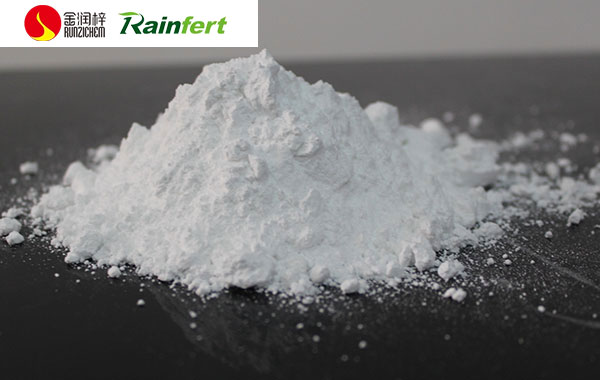
200-500mesh Powder Fertilizer
Industrial-grade potassium sulfatePotassium sulfateChemical formula: K2SO4Density: 2.66 g/cm³, anhydrousMelting point: 400°CSolubility: 110 g/L (20°C), readily soluble in water.Chemical properties: The aqueous solution is neutral.Double displacement reaction: It can react with soluble barium salt solutions to form a barium sulfate precipitate.Potassium sulfate is a colorless crystalline substance with low hygroscopicity, resistant to caking, and excellent physical properties, making it easy to apply. It serves as an excellent water-soluble potassium fertilizer. Additionally, potassium sulfate is chemically neutral but physiologically acidic.Purpose: Used in the military industry as a smoke suppressant for artillery shells. It serves as a raw material for producing potassium salts. In the dye industry, it functions as an intermediate. In the glass industry, it acts as a clarifying agent. In medicine, it is employed as a mild laxative. In the fragrance industry, it serves as an additive. In the food industry, it functions as a general-purpose additive. It is also utilized in biochemical tests for serum proteins.200-500 mesh boric acid (dissolves in water)200-500 mesh borax (soluble in water)200-500 mesh magnesium sulfate (soluble in water)200-500 mesh zinc sulfate (soluble in water)200-500 mesh copper sulfate (soluble in water)200-500 mesh ammonium sulfate (soluble in water)200-500 mesh manganese sulfate (soluble in water)200-500 mesh potassium sulfate (soluble in water)200-500 mesh ferrous sulfate (soluble in water)