 CN
CN
CN
CN
CN
CN
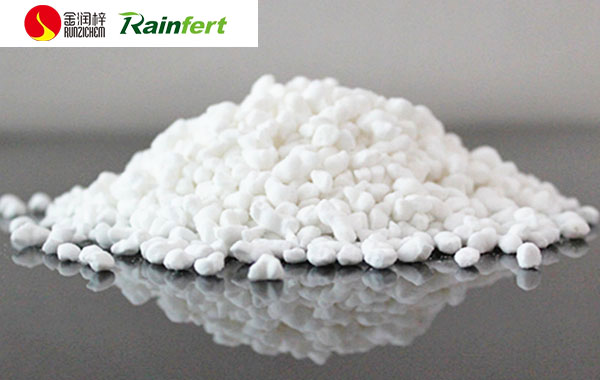
Uses of Borax Decahydrate
It is mainly used in the glass and enamel industries. In glass manufacturing, it can increase UV transmittance, improve transparency and heat resistance. In enamel products, it prevents glaze from peeling and imparts a glossy finish. It also has wide applications in special optical glass, glass fiber, welding fluxes for non-ferrous metals, jewelry adhesives, printing and dyeing, scouring (silk, wool, etc.), gold refining, cosmetics, pesticides, fertilizers, borax soap, preservatives, antifreeze agents and medical disinfectants. Borax is the basic raw material for producing boron-containing compounds; nearly all such compounds can be made from borax. They are widely and importantly used in metallurgy, iron and steel, machinery, military industry, cutting tools, papermaking, electron tubes, chemical engineering, textiles and other sectors. In medicine, borax is used for disinfection and antisepsis of skin and mucous membranes, and in the treatment of skeletal fluorosis, tinea pedis, pulpitis, mycotic vaginitis, cervical erosion, bedsores, acne, external auditory eczema, herpes viral skin diseases, epilepsy and tumors. In veterinary medicine, it is used to treat infectious laryngotracheitis in chickens, contagious ecthyma in goats, mycoplasmal pneumonia in pigs and chronic mucinous endometritis in cattle. It also draws much attention as a feed additive.